 Menu
Menu
Menu
Menu

Description: Sculptural furniture has become one of the defining shifts in contemporary interior design. This guide explains what sculptural furniture is, how it differs from traditional pieces, why bespoke designs deliver the strongest impact, and how to style sculptural cabinets, bookcases and coffee tables in real homes, including small spaces. Written for homeowners and interior designers who want pieces that feel like living art.
In contemporary interior design, the line between practical objects and artistic expression has become beautifully blurred. More and more homeowners are seeking pieces that do more than simply fill a room—they must speak, express, anchor, and elevate the entire space. Sculptural furniture embodies exactly this transformation. It brings personality, presence, and depth into interiors, turning everyday items into meaningful artistic statements.
Sculptural design invites us to rethink the way we inhabit our homes. Instead of allowing function alone to determine form, it celebrates form as the function. Curves, planes, contrasts, silhouettes and materiality work together to create objects that enrich both visual and tactile experience. This evolution is strongly reflected in discussions across respected design platforms such as architectural design editorials and curated contemporary art-and-interior resources like modern design media, which continuously highlight the rise of sculptural elements in high-end interiors.
The essence of sculptural furniture lies in its ability to transform a room’s atmosphere. A piece may have sweeping organic lines, sharp geometric edges, or dramatic volumes intentionally designed to draw the eye. Unlike conventional pieces which focus primarily on functionality, sculptural furniture prioritises emotional impact. It introduces tension, softness, rhythm, and movement—turning everyday environments into curated artistic landscapes.
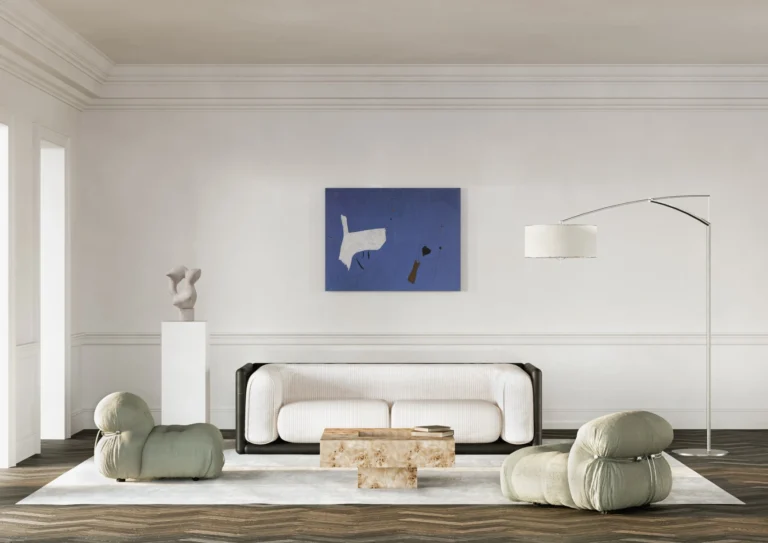
One of the most important aspects of this design approach is its ability to define space. A single expressive piece can completely redirect how someone perceives a room’s flow. For example, a rounded coffee table softens a minimalist interior, while an angular cabinet introduces architectural boldness. Material choices amplify these effects: warm natural woods evoke calmness; stone conveys permanence; metal adds contemporary edge.
This combination of material artistry and sculptural silhouette is exactly why interior designers increasingly treat furniture selection as an extension of the home’s art curation.
While sculptural furniture exists in many forms, its most powerful expression appears in bespoke pieces—objects designed specifically for the individual and their home. At Petra Madalena, this personalised approach is at the core of everything we create. Clients frequently choose designs such as custom cabinets, bespoke bookcases and a carefully crafted bespoke coffee table to form the sculptural foundation of their interiors.
Custom furniture allows absolute control over proportion, silhouette, material composition, texture and function. This means a piece can be sculpted—literally and conceptually—to align with the room’s architectural features, create balance within the layout, and convey the homeowner’s aesthetic personality.
For instance:
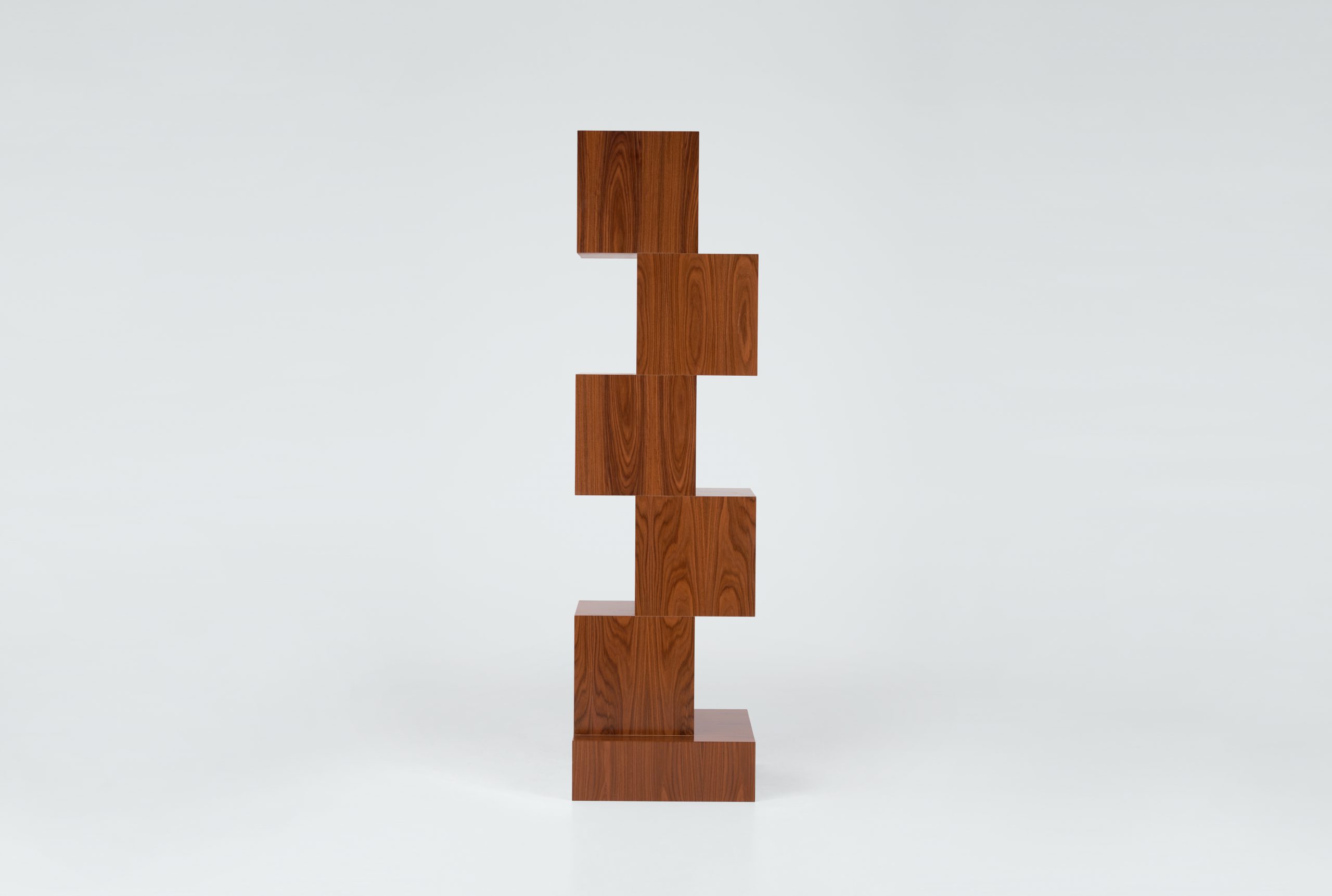
A standout example of this philosophy is the Palissandro Santos bookcase. Finished in a rich, painterly Palissandro Santos veneer, it transforms storage into a sculptural focal point: the grain becomes the artwork, the silhouette becomes the room’s anchor. Whether filled with design books and ceramics or left artfully bare, it stands as a quiet declaration of taste, exactly the kind of piece that demonstrates why bespoke sculptural design carries lasting impact.
Ready to make it the heart of your space? View the Palissandro Santos bookcase →
Every bespoke piece becomes a hybrid of function, sculpture and storytelling—something mass-produced items simply cannot achieve.
Below is a clean, concise comparison that helps readers appreciate why sculptural furniture is unique:
|
Feature |
Sculptural Furniture |
Traditional Furniture |
|
Primary Focus |
Artistic form + functional use |
Pure practicality |
|
Visual Impact |
Strong focal element; expressive |
Blends into surroundings |
|
Design Approach |
Curves, geometry, bold silhouettes |
Standardised shapes, simpler lines |
|
Customisation Level |
High—especially with bespoke pieces like custom cabinets |
Low—predefined sizes and styles |
|
Materials |
Often natural, textural, artisanal |
Industrially produced, uniform |
|
Role in Interior |
Defines atmosphere and identity |
Complements existing décor |
|
Longevity |
Ages with character; timeless appeal |
Dependent on trends and wear |
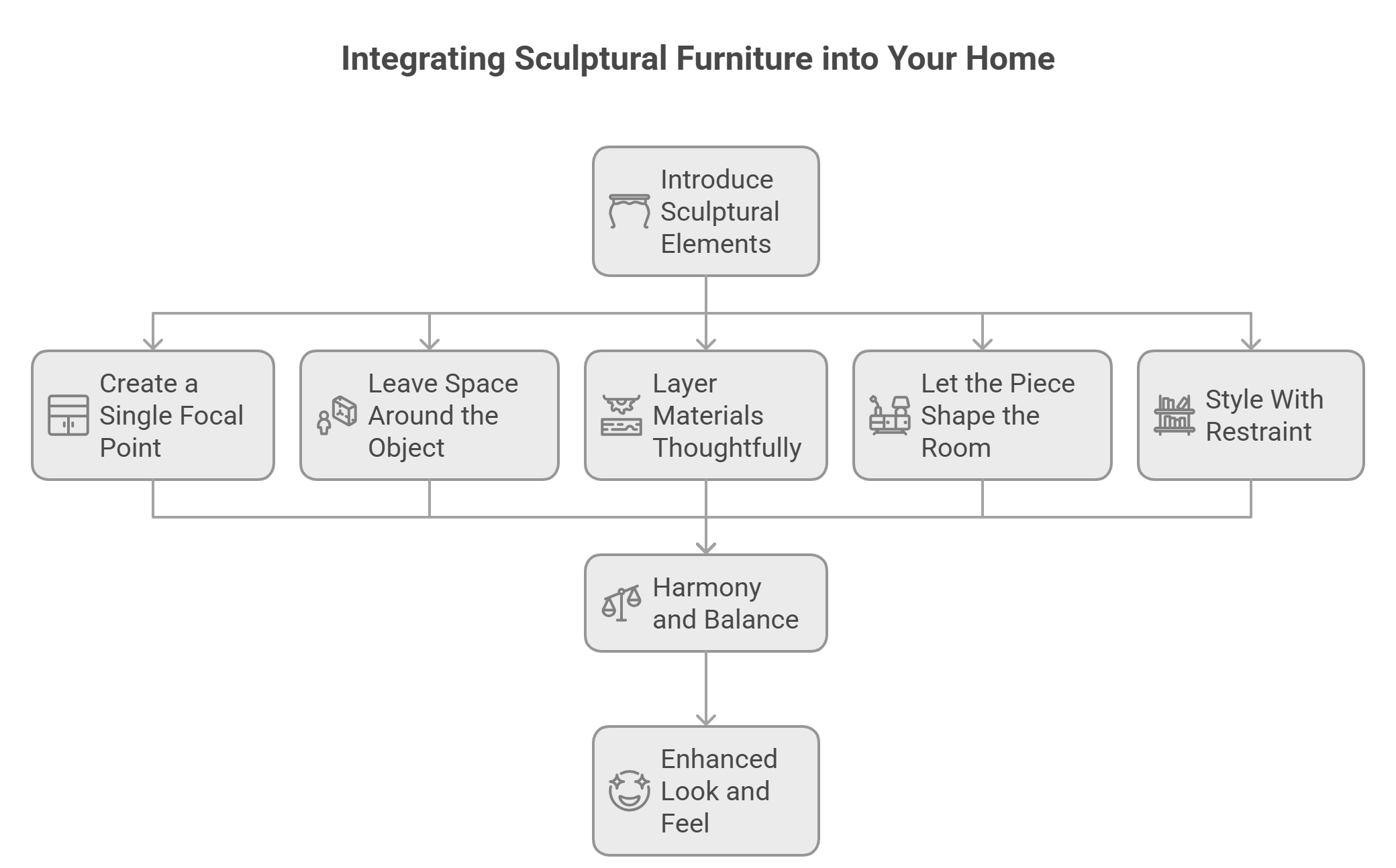
Introducing sculptural elements into a home requires thoughtful intention. The goal is harmony—not clutter, not competition, but a balanced visual dialogue between the object and the space around it.
Here are essential principles for integrating sculptural furniture seamlessly and beautifully:
Every room benefits from one anchoring sculptural gesture. Whether that gesture comes from a striking custom cabinets installation or a dramatic bespoke coffee table, clarity is key. Too many competing silhouettes weaken the overall impact.
Sculptural pieces require breathing room. Allow negative space to emphasise form. If placed against a wall, let the wall act as a gallery backdrop. If centred in the room, ensure pathways circle it smoothly.
Material contrast enriches form. Pairing wood with stone or metal elevates texture. Consider how light interacts with the piece as well—sculptural furniture thrives under intentional lighting.
A sculptural piece can influence how you position seating, lighting or even artwork. Instead of forcing it into an existing layout, allow it to lead the composition.
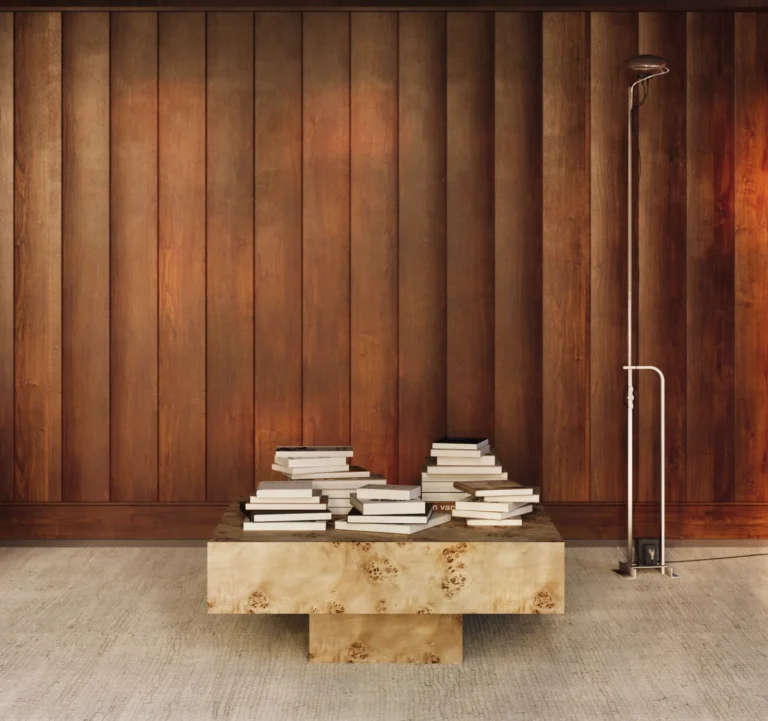
Especially in the case of a bespoke bookcases project or a sculptural coffee table, surface styling should enhance, not overshadow. Negative space is your ally.
This thoughtful approach ensures that sculptural furniture enhances not only the look of the space, but also the feeling of being in it.
The best materials for sculptural furniture are natural and tactile: solid hardwood, fine veneers (such as Palissandro Santos, walnut burl or poplar burl), stone, travertine, marble and hand-finished metal. These materials amplify the silhouette of each piece, age beautifully over time, and reveal new depth depending on the light. Synthetic, uniform finishes flatten sculptural form, while natural surfaces enhance it.
Material contrast is just as important as the materials themselves. A walnut cabinet paired with a stone-topped table introduces warmth against permanence. Veneer against polished metal sharpens the silhouette. The way light moves across the surface, soft on a curve, hard on an edge, is part of what makes sculptural furniture feel alive in a room.
Yes, sculptural furniture is suitable for small spaces when chosen with restraint. A single, well-designed sculptural object can make a compact room feel intentional and curated rather than cramped. Slim, vertical pieces such as custom cabinets or visually open bespoke bookcases provide storage while still acting as elegant sculptural statements.
The key in small interiors is silhouette over volume. A tall, narrow modern bookcase with sculptural detailing reads as architecture rather than bulk. A low, rounded coffee table introduces softness without crowding the floor. In small homes, one strong sculptural anchor often does more than several smaller decorative objects ever could.
Petra Madalena is built on the belief that furniture should live at the intersection of art and utility. Our artisans shape each piece with sculptural sensitivity—carving, bending, refining and perfecting materials to achieve harmony between visual poetry and everyday function.
A sculptural object created by hand has personality: it carries the mark of craftsmanship, the intention behind every line, the warmth of material, and the emotional depth of artisanal work. These are qualities that mass production simply cannot replicate.
Many of our design principles and styling recommendations have been explored in depth in our articles, including insights into surface styling in our guide to artful table displays inspired by decorating a coffee table and our detailed thoughts on shaping architectural rhythm in shelving, as discussed in our exploration of styling bespoke bookcases.
By integrating these ideas, homeowners can elevate both sculptural impact and functional harmony in their interiors.
Beyond aesthetics, sculptural furniture offers exceptional long-term value. It is durable, designed with purpose, and becomes part of the emotional fabric of a home. More importantly, it ages beautifully—especially when crafted from natural materials. Over time, these pieces develop character, patina, depth and stories.
Because sculptural pieces are meant to be noticed and appreciated, they often remain relevant for decades, transcending trends. When custom-made, they adapt seamlessly to future renovations or new homes, maintaining meaning and presence through changes in life.
Ultimately, investing in sculptural furniture is an investment in atmosphere, identity and quality of life.
Sculptural furniture is less about following a trend and more about a quiet shift in how we think about home: a move away from rooms filled with objects, toward rooms anchored by them. One well-chosen piece, whether it is a sculptural custom cabinet, a sculpted coffee table, or a bookcase like the Palissandro Santos, can carry the entire atmosphere of a space.
The furniture you live with shapes the way you live. When it is crafted by hand, in natural materials, with sculptural sensitivity, it stops being furniture and starts becoming part of the home’s story. That is the philosophy behind every Petra Madalena commission, and it is why each piece, from the smallest side table to the most architectural bookcase, is designed to be noticed today and loved decades from now.
Explore the full collection in our catalogue, or commission a bespoke piece shaped entirely around your space.