
Creating the perfect bedroom requires more than just throwing together a few pieces of furniture. Your bedroom serves as your personal retreat, and thoughtful decoration can transform this space into a sanctuary that promotes relaxation and reflects your unique style.
A true bedroom sanctuary is not about perfection. Instead, it is about intention. It is about choosing what supports rest, and removing what competes with it. In other words, your bedroom should help your body slow down, help your mind unclench, and help your mornings begin with less friction.
At the same time, a sanctuary should still feel like you. That means your personality matters. Your rituals matter. Your storage needs matter. And your materials matter, too—because texture, warmth, and craftsmanship can change how a room feels the moment you step inside.
Below, you will find an expanded, practical guide that builds on the original ideas of smart storage, reading zones, lighting, and comfort. Additionally, it adds deeper planning steps, a clear table to help you decide what to prioritize, and more styling guidance—while keeping your key linked terms exactly as requested.
Before you start buying or moving anything, it helps to see the full picture. Therefore, use the table below as a quick planning tool. Then, go section by section and apply what fits your space.
| Sanctuary Element | Goal | What to Add | Simple Styling Tip |
|---|---|---|---|
| Storage | Less visual noise | cabinet, drawers, hidden containers | Keep surfaces 70% clear |
| Reading / wind-down zone | Relax without screens | Chair, lamp, coffee table, shelves | Place a book and a soft throw within reach |
| Lighting | Support circadian rhythm | Multiple warm light sources | Use dim lighting 60–90 minutes before bed |
| Textiles | Comfort and warmth | Layered bedding, curtains, rug | Mix 2–3 textures, keep colors calm |
| Temperature & air | Better sleep quality | Fan, ventilation, breathable bedding | Keep the room slightly cooler at night |
| Personal elements | Emotional comfort | Art, photos, meaningful objects | Edit ruthlessly: fewer items, stronger impact |
Now, let’s go deeper. First, start with the foundations. Then, build layer by layer. As a result, your room will feel cohesive rather than “decorated.”
Storage plays a crucial role in maintaining a clutter-free, peaceful bedroom environment. A thoughtfully designed cabinet can serve as both a functional piece and an artistic statement while maintaining the room’s aesthetic balance. Consider incorporating unique storage pieces that add character without overwhelming your space.
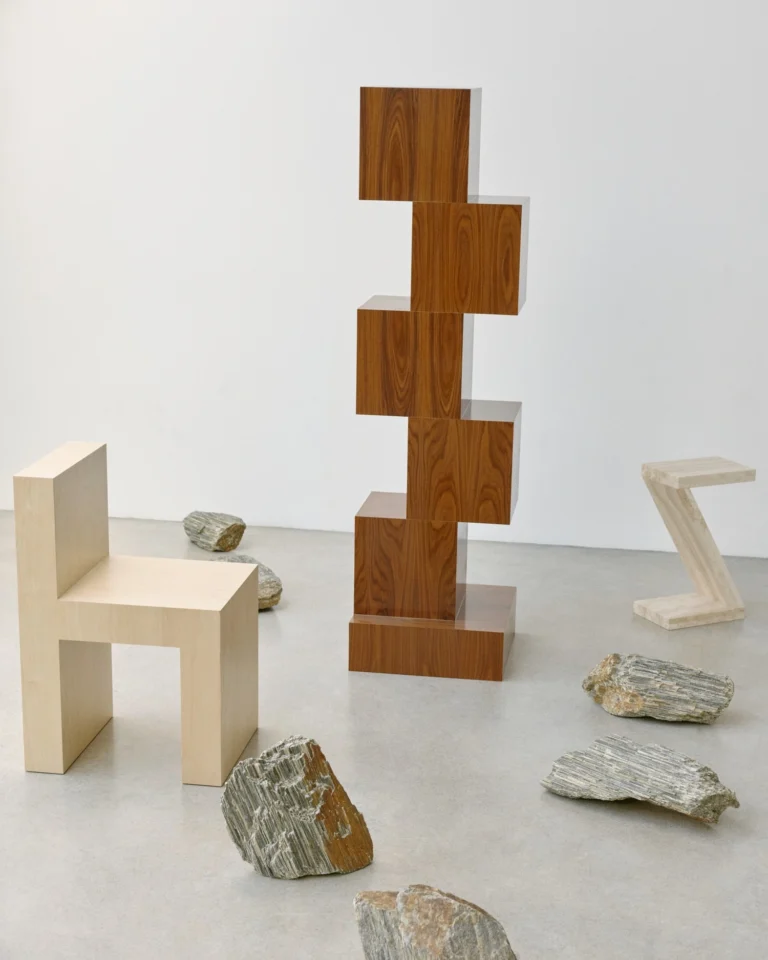
Custom cabinets offer unparalleled flexibility in bedroom design. These sculptural pieces allow you to address specific storage needs while serving as artistic focal points – an approach that reflects how sculptural furniture is transforming modern interiors. Whether you need elegant storage for jewelry, books, or personal treasures, these bespoke creations ensure every piece serves both form and function.
However, smart storage is not only about adding more compartments. It is also about improving daily flow. Therefore, think in “micro-zones.” For example, decide where you drop your watch, where you place your book at night, and where chargers live. Then, design storage around those habits.
Next, consider what usually creates mess. For many people, it is small items: skincare, cables, receipts, hair tools, or random “temporary” piles. Consequently, solutions like internal dividers, shallow drawers, and hidden trays matter more than giant shelves. This is precisely where a well-designed cabinet or Custom cabinets can change everything, because you can plan every centimeter.
Additionally, a storage piece can improve the visual rhythm of the room. For instance, placing a taller cabinet near a blank wall can add height and structure. Meanwhile, a low, sculptural piece can create a calm horizontal line that makes the space feel grounded.
Before adding new storage, remove what you do not need. Otherwise, you may simply create a better-looking version of the same clutter. Instead, use a simple three-step approach:
Step 1: Take everything out of visible surfaces and open shelves.
Step 2: Sort into “daily,” “weekly,” and “rarely.”
Step 3: Store daily items within arm’s reach, and hide rarely-used items in closed storage.
As a result, your room immediately looks calmer. Even before you decorate.
Books add personality and warmth to any bedroom. bespoke bookcases can transform an empty corner into a cozy reading area while showcasing your literary collection. Styling these bespoke bookcases thoughtfully ensures they enhance rather than clutter your sanctuary. Unlike mass-produced alternatives, bespoke solutions integrate seamlessly with your room’s proportions and style preferences.
According to research from the National Sleep Foundation, creating designated areas for relaxing activities like reading can improve sleep quality by establishing clear boundaries between rest and recreation spaces.
Still, a reading nook does not need much. In fact, it works best when it is simple. Start with a comfortable seat. Then add a warm lamp. After that, include a small surface for a drink and a book. This is where a coffee table becomes surprisingly useful in a bedroom.
For example, place a compact coffee table next to a chair to hold a candle, a book, and a ceramic cup. Suddenly, the corner looks intentional. Additionally, it invites you to wind down without scrolling on your phone.
If you want that corner to feel truly tailored, consider a bespoke coffee table. This allows you to choose the exact height, proportion, and footprint that fits your corner. Therefore, you avoid awkward spacing, and you protect the flow of the room.
Moreover, materials make a big difference. A warm wood finish can soften the space. Meanwhile, a sculptural profile can echo other artistic pieces in the room. In other words, this small element can tie the whole sanctuary together.
If you love light tones and calm grain patterns, a birch coffee table can be a beautiful anchor. Birch reads as fresh and bright. At the same time, it feels organic and comforting. Consequently, it pairs well with linen, wool, and muted wall colors.

A black solid birch coffee table with a glossy finish that reflects light and catches the eye — a true modern centerpiece.
Not sure which wood fits your style? Then read about best wood for coffee table. Even though the topic is coffee tables, the decision logic helps with other wooden bedroom pieces too, because tone, durability, and grain affect the room’s mood.
Colors significantly impact mood and sleep quality. Soft, muted tones typically work best for bedroom environments, promoting relaxation and tranquility. The American Psychological Association has documented how color choices influence emotional states and sleep patterns.
Natural lighting during the day and warm, dim lighting in the evening help regulate your circadian rhythm. Installing multiple light sources at different levels creates ambiance while providing functional illumination for various activities.
To expand on this, think of lighting as layers. First, you need general light for cleaning and organizing. Next, you need task light for reading or getting dressed. Finally, you need mood light to signal rest. Therefore, the best bedrooms rarely rely on a single ceiling light.
Additionally, your bulbs matter. Warm light in the evening reduces harsh contrast. Meanwhile, dimmers let you adjust brightness based on your energy level. As a result, your sanctuary can shift from “functional” to “calm” in minutes.
Color works the same way. Start with a base that feels quiet. Then add texture rather than contrast. For example, instead of bold patterns, choose layered neutrals: warm white walls, a sandy rug, and soft taupe bedding. Then, add one deeper accent, such as olive or charcoal, in small touches.
Importantly, your storage pieces should support that palette. A sculptural cabinet in a harmonious tone can feel like architecture rather than furniture. That effect makes the room feel more “complete.”
Small bedrooms benefit tremendously from furniture that serves multiple purposes. Storage benches provide seating while concealing extra linens and personal items. Nightstands with drawers eliminate surface clutter while keeping essentials within reach.
Wall-mounted solutions free up floor space and create visual height. Floating shelves display decorative items without consuming precious square footage. A well-positioned cabinet can serve as both storage and a sculptural element that draws the eye upward.
In addition, consider “invisible function.” For example, a bed with under-bed drawers can store seasonal clothing. Similarly, a bench at the end of the bed can hide extra blankets while making the room feel finished.
Meanwhile, think about circulation. You want at least a comfortable walking path. Therefore, furniture should not block door swings, drawers, or closet access. This is why made-to-fit solutions, such as Custom cabinets, can be so valuable. They help you use awkward corners while keeping movement effortless.
Also, don’t forget the power of one small surface. A compact coffee table near a window can act as a drop zone for morning coffee, a notebook, or a vase. As a result, you create a ritual-friendly space without adding bulk.
Your bedroom should reflect your personality and interests. Family photographs, artwork, and meaningful objects create emotional connections to the space. Bespoke bookcases can showcase personal collections while serving as conversation pieces. However, moderation remains key – too many personal items can create visual chaos rather than comfort.
Plants bring life and improved air quality to bedrooms. Research from Harvard Health Publishing demonstrates how certain houseplants naturally purify indoor air while adding natural beauty to living spaces.
To make personal elements feel restful, edit them like a gallery. Instead of scattering many small objects, choose fewer, stronger items. For instance, place one meaningful framed photo on a nightstand, not five. Then, add a small bowl for jewelry. After that, stop. Negative space is part of the design.
Likewise, collections look best when they have structure. Therefore, store them on shelves with breathing room. Or display them inside a glass-front section of a cabinet. This keeps the room personal, yet calm.
Plants are also wonderful, but choose wisely. If you forget to water, pick low-maintenance options. Additionally, keep plants away from bedding if pollen is an issue for you. Comfort always comes first in a sanctuary.
At Petra Madalena, we understand that exceptional bedroom design requires attention to both form and function. Our team specializes in creating unique, sculptural pieces that serve as both functional storage and artistic elements in your bedroom space.
Every project begins with understanding your lifestyle, preferences, and space constraints. We then craft bespoke pieces that blend practicality with artistic expression, creating statement elements that enhance your bedroom’s character while serving your storage needs.
When you invest in custom pieces, you are not only buying storage. You are shaping a daily experience. For example, a made-to-fit Custom cabinets solution can hide everything that would otherwise sit on top of surfaces. Consequently, your room looks calmer every single day, not only right after cleaning.
Similarly, a sculptural approach turns furniture into atmosphere. A carefully chosen cabinet can feel like an art object. Meanwhile, a bespoke coffee table can add a soft “hotel suite” touch to a reading corner. These details matter because sanctuary is built from small moments repeated over time.
Headboard selection significantly impacts your bedroom’s overall aesthetic and comfort level. If you frequently sit up in bed to read or watch television, consider choosing a soft, upholstered headboard that provides comfortable back support during these activities.
For those seeking modern elegance and visual sophistication in their bedroom design, a sleek, hard-surface headboard might better suit your aesthetic preferences. However, when selecting firm headboard materials, ensure you invest in quality pillows that provide adequate comfort and support for reading or relaxing in bed.
In addition, consider scale. A headboard that is too small can make the bed look unfinished. Conversely, one that is too large can overpower a compact room. Therefore, aim for balance with your nightstands and wall width.
Also think about acoustics. Upholstered headboards can soften sound. As a result, the room feels quieter, which supports rest. Meanwhile, wooden headboards add warmth and can visually tie into other wooden pieces, such as a cabinet or a coffee table in the reading zone.
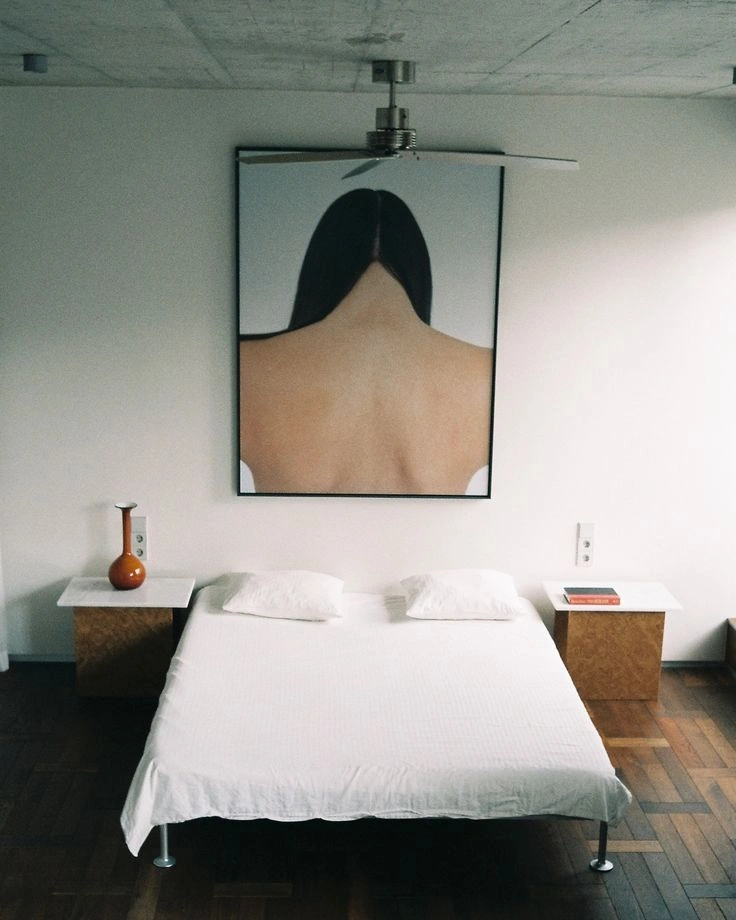
Consider the ventilation in your bedroom space, as proper air circulation contributes significantly to sleep quality. Installing an air conditioning system can help maintain optimal sleeping temperatures year-round. Alternatively, a ceiling fan positioned above the bed creates gentle air movement that many find conducive to restful sleep.
Multiple studies, including research published by Mayo Clinic, suggest that cooler sleeping environments typically promote better sleep quality and duration. Maintaining temperatures between 60-67°F (15-19°C) often provides the most comfortable conditions for restorative sleep.
Beyond temperature, air quality matters. Therefore, open the window daily if possible. Even a short ventilation routine helps. Additionally, wash bedding regularly, and consider curtains that do not trap dust.
Also, keep technology heat in mind. Chargers, laptops, and bright screens can raise temperature and stimulate the brain. Consequently, if you want a true sanctuary, create a “charging station” away from the bed, ideally tucked inside a cabinet or a drawer.
Quality textiles transform a bedroom’s comfort level and visual appeal. Layering different textures creates depth and interest while maintaining cohesion through coordinated color palettes. Custom cabinets with fabric or leather accents can bridge the gap between soft textiles and hard surfaces beautifully.
Invest in high-quality bedding that feels luxurious and promotes better sleep. Natural fibers like cotton and linen offer breathability and comfort throughout different seasons.
To expand this, build textiles in layers. Start with breathable sheets. Then add a light blanket. Next add a duvet that matches your climate. Finally, add one throw for texture. This approach looks refined, yet it stays practical.
Similarly, a rug can change the whole mood. It adds softness underfoot and reduces echo. Therefore, even a small rug beside the bed can make mornings feel gentler.
Also, keep the palette calm, then let texture do the work. For example, choose a simple color scheme and mix linen with wool and cotton. As a result, the room feels rich without looking busy.
Wood is one of the most sanctuary-friendly materials. It feels warm. It ages beautifully. And it creates a natural connection that many people find calming.
However, not all wood reads the same. Lighter woods often feel airy and fresh. Meanwhile, darker woods feel grounded and dramatic. Therefore, choose based on the mood you want. If your room lacks light, go lighter. If your room is very bright, you can add depth with richer tones.
In practice, a wood-focused sanctuary often includes one anchor storage piece, one small accent surface, and one or two subtle repeats. For instance:
A sculptural cabinet for closed storage.
A compact coffee table for ritual moments in a reading corner.
Optional: a bespoke coffee table if you want perfect proportion and a tailored feel.
If you are drawn to a clean, bright look, the birch coffee table option is especially cohesive with soft neutral textiles. Meanwhile, if you are still evaluating materials, the guide on best wood for coffee table can help you make a confident decision.
Even the best design will not feel calming if it is hard to maintain. Therefore, a sanctuary should be easy to reset in five minutes.
Start with a simple nightly routine. Put clothes away. Clear the floor. Place tomorrow’s essentials in one spot. Then dim the lights. As a result, your body gets a consistent “wind-down” cue.
Next, design for convenience. Keep a small tray for jewelry. Keep a basket for reading materials. Hide spare cables. In particular, use closed storage so the room can look tidy even on busy days. This is another reason a well-planned custom cabinets solution is so effective.
Also, avoid “flat surface syndrome.” Any surface becomes a pile if there is no rule. Therefore, decide what is allowed on each surface. For example, your nightstand holds only: a lamp, a book, and a glass. Meanwhile, the reading corner coffee table holds only: one candle and one cup. Small rules create big calm.
Sometimes the issue is not what you lack. Instead, it is what is getting in the way. Here are a few common problems and how to fix them quickly:
Too many open shelves: They look stylish at first, but they collect visual clutter. Add a cabinet or closed sections to restore calm.
One harsh ceiling light: It makes evenings feel clinical. Add at least two warm lamps at different heights.
Over-decorating: A sanctuary needs breathing room. Edit down to fewer, stronger pieces.
No dedicated relaxation zone: Even a small chair plus a coffee table can create a wind-down ritual.
Clutter near the bed: If the first thing you see is mess, your nervous system stays “on.” Move clutter into closed storage, ideally using custom cabinets.
Successful bedroom decoration balances aesthetics with functionality. Every element should contribute to creating a space that promotes rest, reflects personality, and meets practical storage needs.
Remember that decoration is an ongoing process. Start with foundational pieces and gradually add personal touches over time. This approach allows your bedroom to evolve naturally while avoiding costly mistakes. A thoughtfully chosen cabinet or bespoke bookcases can serve as anchor pieces around which other elements naturally arrange themselves.
In the same way, a carefully selected coffee table can add comfort and ritual to your space, especially if you create a reading nook. Meanwhile, a bespoke coffee table can elevate that corner into a truly tailored experience that feels designed specifically for you.
Consider consulting with professionals who specialize in custom bedroom solutions. Expert guidance can help you avoid common pitfalls while maximizing your investment in creating the perfect personal sanctuary.
Whether you choose ready-made pieces or invest in custom solutions, thoughtful planning ensures your bedroom becomes a space you truly love spending time in.