
When furnishing a home, many people face the same question: should you choose custom furniture or buy mass-produced pieces? While factory-made furniture is widely available and often cheaper, custom pieces offer craftsmanship, individuality, and durability that large-scale manufacturing rarely achieves.
Understanding the real differences between bespoke vs mass produced furniture can help homeowners make a smarter long-term decision. Whether you are furnishing a new home or upgrading an interior, the choice between custom and factory-made pieces affects quality, longevity, and overall design impact.
In this guide, we explain the key differences, explore custom furniture quality, and show why many homeowners and designers increasingly prefer designer furniture created specifically for their interiors.
Custom furniture — often called bespoke furniture — is made specifically for a client rather than produced in bulk. Every element of the piece, from dimensions to materials and finishes, is tailored to match a particular space or design vision.
Unlike factory items that are identical across thousands of homes, custom pieces are designed to be unique and often handcrafted by experienced artisans. Designers can select premium materials, refine proportions, and ensure the final product integrates seamlessly into the interior.
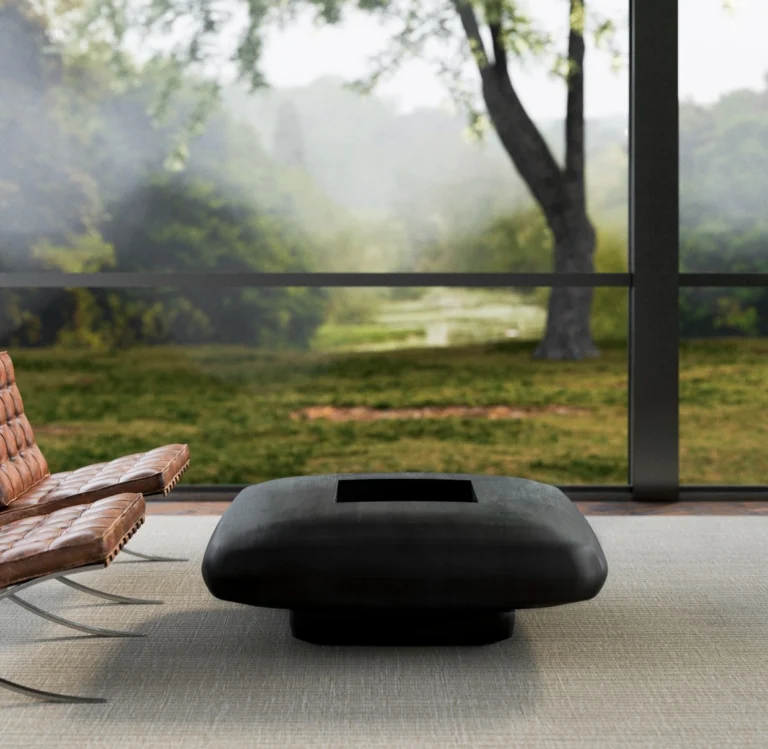
For example, instead of buying a standard coffee table, homeowners may choose a coffee table made from natural materials such as a travertine coffee table, a sculptural walnut coffee table, or a statement burl coffee table. Each material brings its own texture and visual depth to the living space.
Mass-produced furniture is manufactured in large factories using standardized processes and automated production lines. These pieces are designed for efficiency, meaning thousands of identical items can be produced quickly and distributed globally.
The main advantage of mass production is affordability and availability. However, the focus on scale often means materials and construction methods are optimized for cost rather than longevity.
While mass-produced furniture can be practical for short-term use or temporary spaces, it often lacks the durability and individuality found in custom pieces.
One of the biggest advantages of custom furniture is flexibility in design. Mass-produced pieces are created in fixed sizes, which means they may not perfectly fit a room or architectural feature.
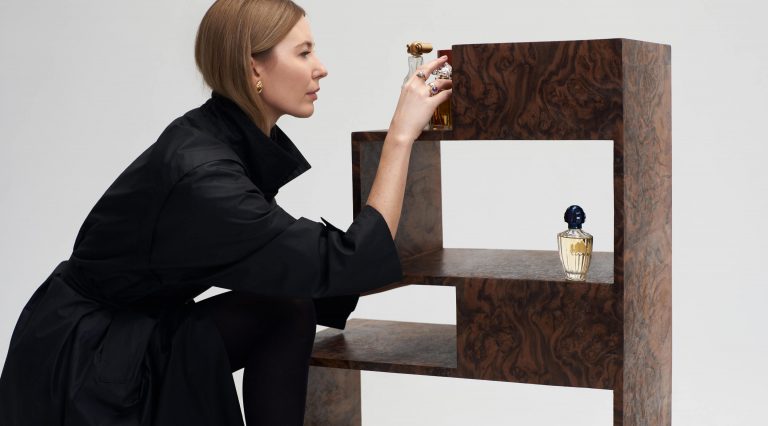
Custom furniture, on the other hand, can be designed around the space. For example, a modern bookcase can be built to match the exact height and proportions of a wall, creating a seamless architectural element instead of a standalone object.
This ability to tailor furniture ensures better functionality and visual balance within the interior.
Another significant difference between custom and mass-produced furniture lies in material selection and craftsmanship.
Factory-made furniture frequently uses materials such as particleboard, laminate, and thin veneers. While these materials help reduce costs, they may not offer the same durability or visual richness as natural materials.
Custom furniture makers typically use higher-quality resources such as solid wood, natural stone, metal details, and premium finishes. These materials allow designers to create pieces that age beautifully and develop character over time.
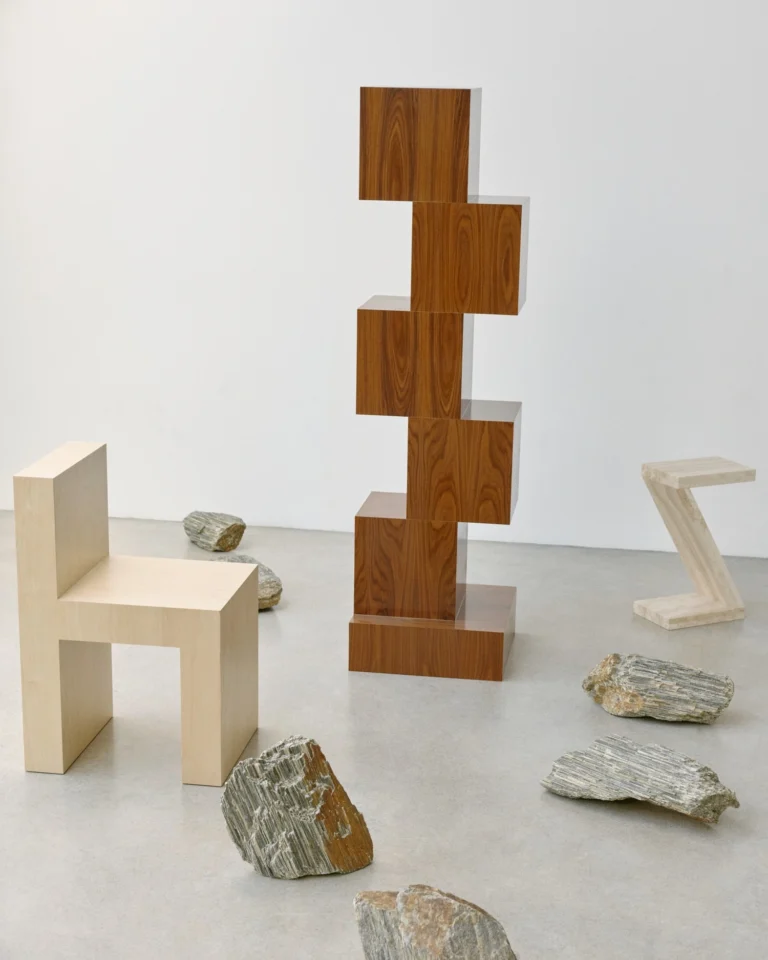
A well-crafted accent table or a sculptural travertine side table can serve as both a functional element and an artistic centerpiece in a room.
| Material Type | Common in Custom Furniture | Common in Mass Production |
|---|---|---|
| Solid Wood | Yes | Rare |
| Natural Stone | Travertine, marble | Rare |
| Veneer | High-quality veneer | Thin laminate veneer |
| Metal Details | Hand-finished brass or steel | Basic coated metal |
Furniture should not only look beautiful but also withstand everyday use. Mass-produced furniture is often designed with shorter product cycles in mind, which means it may last only several years before needing replacement.
Custom furniture tends to last much longer because of stronger joinery techniques, higher-quality materials, and more precise craftsmanship. Many custom pieces remain functional for decades and can even become heirloom items passed between generations.
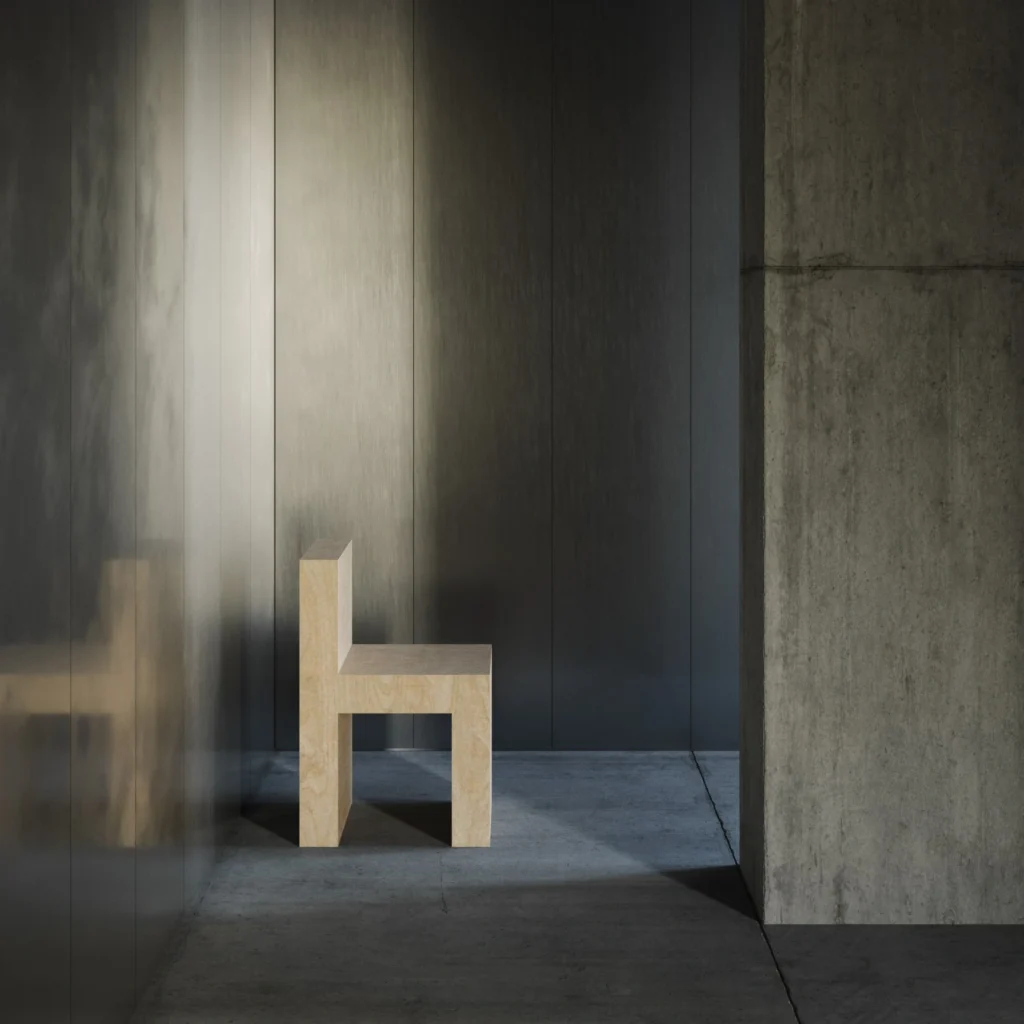
For example, a handcrafted accent chair can remain a focal point in a living space for many years while maintaining both comfort and aesthetic appeal.

Mass-produced furniture is designed to appeal to a broad market, which means the same pieces often appear in thousands of homes. While convenient, this approach can make interiors feel less distinctive.
Custom furniture allows homeowners to express personality and creativity through unique materials, sculptural forms, and personalized finishes. Instead of adapting your space to pre-made furniture, the furniture is designed to enhance the space itself.
This level of individuality is one reason high-end interiors frequently feature handcrafted pieces created specifically for the project.
Although custom furniture usually involves a higher initial investment, it often provides better long-term value. Pieces built from durable materials and strong construction techniques last longer and maintain their visual quality over time.
Replacing inexpensive furniture multiple times can eventually cost more than investing in well-crafted pieces from the beginning.
For many homeowners, the value of custom furniture lies not only in durability but also in its ability to elevate the entire atmosphere of an interior.
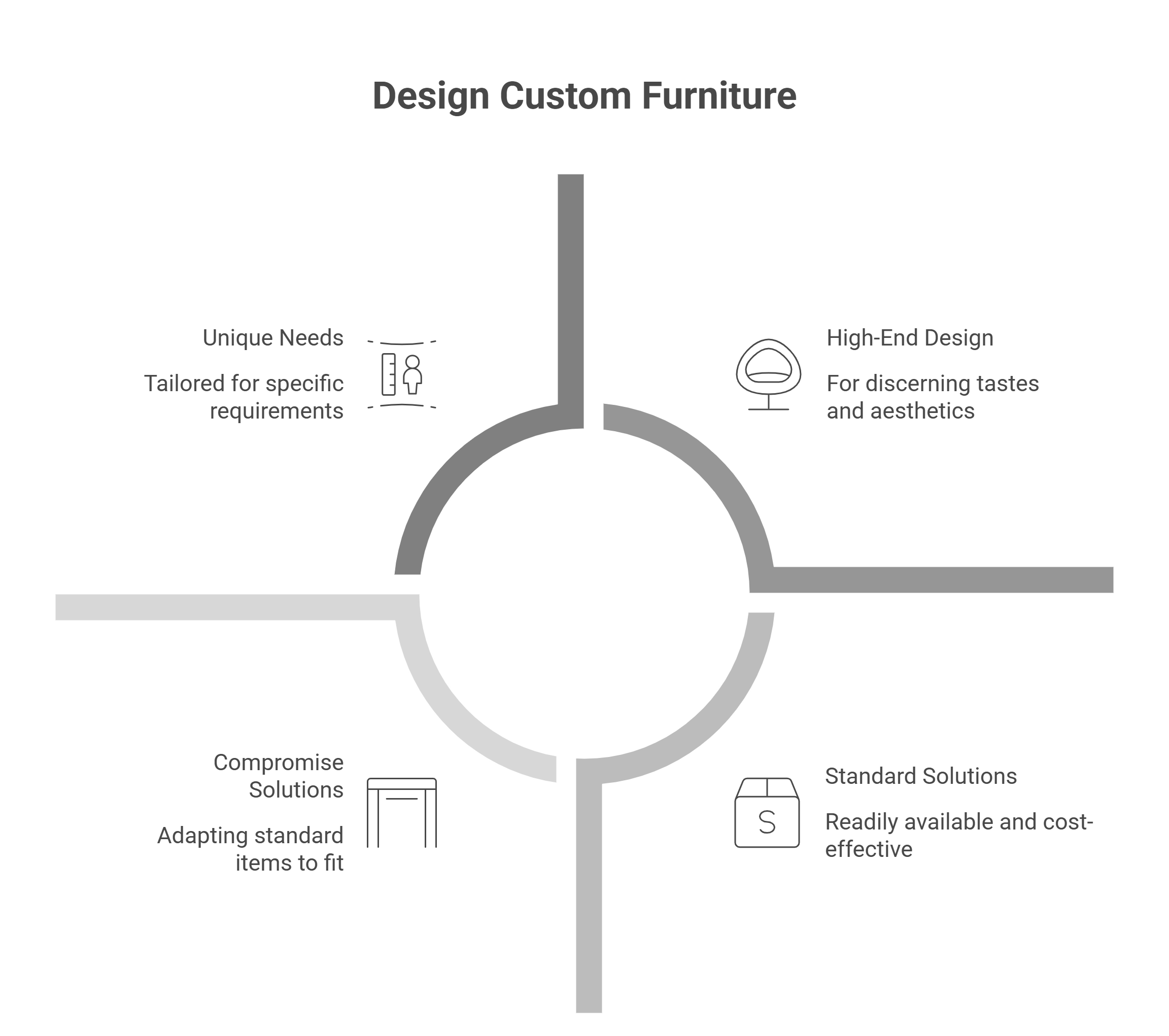
In these scenarios, custom furniture allows designers and homeowners to achieve a cohesive look while maximizing functionality.