
Your living room deserves a centrepiece that speaks to your personality, and the wood you choose for a bespoke coffee table determines everything from its visual impact to how it will age over the coming decades. At Petra Madalena, we understand that commissioning custom furniture represents both an investment and an expression of personal style – which makes material selection one of the most meaningful decisions you’ll make.
This guide explores the most sought-after wood species for custom coffee tables, breaking down their characteristics so you can match your vision with the perfect material. Whether you’re drawn to rich walnut tones or striking burl patterns, finding the best wood for coffee table designs starts with understanding what each species offers.
Hardwoods stand apart from softwoods because they come from slow-growing deciduous trees, which produces denser grain structures and greater durability. The Smithsonian American Art Museum’s Renwick Gallery celebrates studio furniture crafted from premium hardwoods, recognising these materials as essential to creating pieces that transcend mere function and become genuine art.
A well-crafted coffee table endures constant use – supporting books, drinks, decorative objects, and sometimes feet. A wood species with adequate hardness resists the inevitable scratches, dents, and wear that accumulate over years of daily life.
The Janka hardness test measures how much force a wood species can withstand before a steel ball creates an indentation. Higher numbers indicate greater resistance to damage. For a bespoke coffee table that will see regular use, understanding these ratings helps predict long-term performance.
| Wood Species | Janka Rating (lbf) | Characteristics | Best Suited For |
|---|---|---|---|
| Walnut | 1,010 | Rich chocolate tones, elegant grain | Sophisticated living spaces |
| Teak | 1,070 | Natural oil content, weather resistant | High-humidity environments |
| Cherry | 950 | Develops patina with age | Traditional and transitional styles |
| White Oak | 1,360 | Prominent grain, excellent durability | High-traffic family rooms |
| Hard Maple | 1,450 | Light colour, fine texture | Contemporary minimalist spaces |
| Hickory | 1,820 | Exceptional hardness, rustic character | Heavy-use areas |
Choosing the right hardness level ensures your coffee table maintains its beauty through years of everyday moments. Families with young children benefit from harder species like oak or hickory that shrug off toy impacts and spilled drinks. Couples seeking refined elegance might prioritise walnut’s sophisticated appearance over maximum durability, accepting that softer woods require slightly more care.
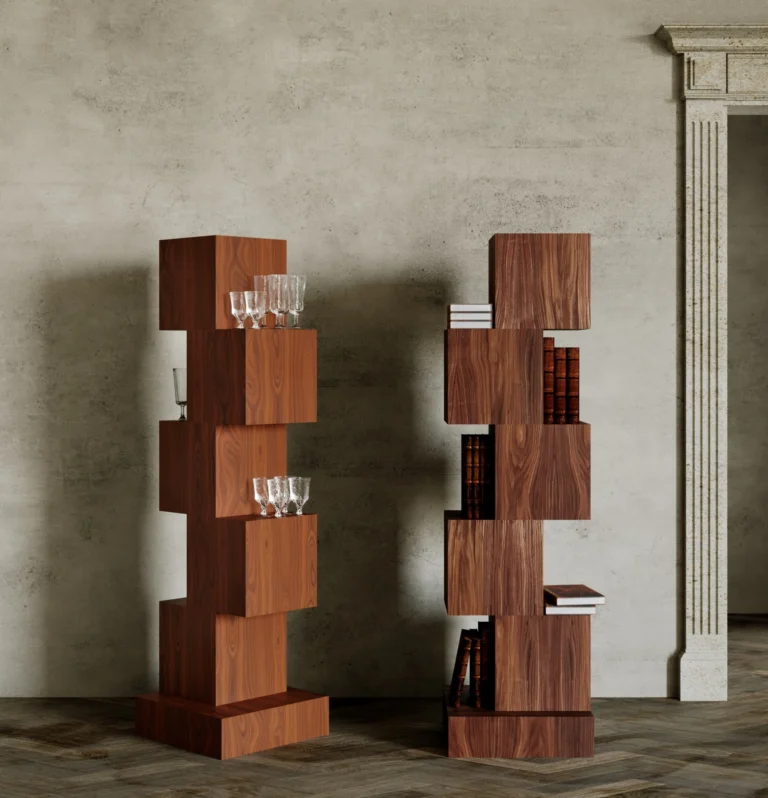
The answer depends entirely on your aesthetic goals, though certain species consistently captivate with their natural beauty. Walnut remains a perennial favourite for bespoke furniture, offering deep chocolate hues that range from warm amber to nearly purple undertones. Its grain flows in gentle waves, creating movement across the surface without overwhelming a room.
Oak brings architectural presence through pronounced grain patterns that catch light differently throughout the day. Quarter-sawn oak reveals distinctive ray fleck patterns prized by craftspeople for centuries, while flat-sawn cuts produce the cathedral patterns most people recognise.
Cherry wood offers something unique among common furniture species: it transforms dramatically over time. Fresh cherry displays pale salmon-pink tones that gradually deepen into rich reddish-brown as exposure to light triggers natural oxidation. Your table literally evolves, developing character that reflects its age and your home’s light conditions.
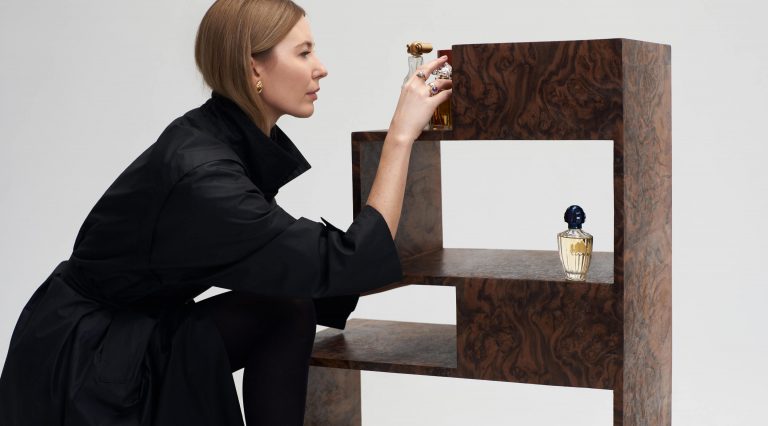
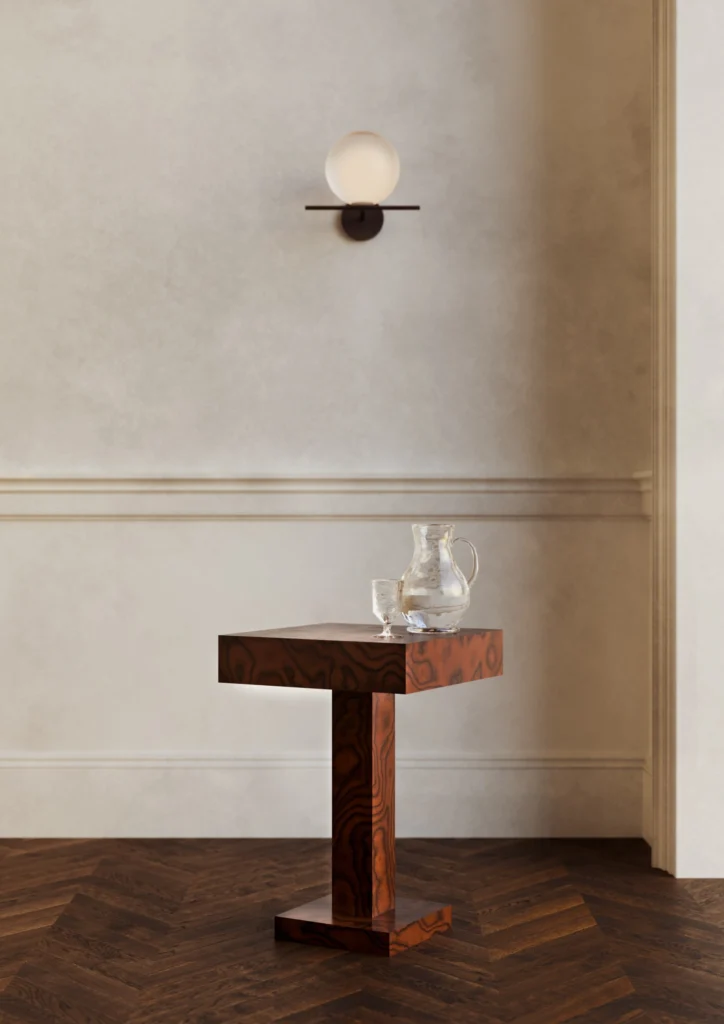
For collectors seeking truly one-of-a-kind pieces, burl wood presents unmatched visual drama. Burls form when trees experience stress or injury, producing irregular growth patterns with swirling grain, tight clusters, and eye-like formations that never repeat. Walnut burl features deep colour variations with complex patterns reminiscent of topographic maps. Poplar burl, technically known as Mappa burl, offers striking contrast between creamy heartwood and darker clustered patterns – creating surfaces that function as conversation pieces themselves.
These exotic materials appear frequently in luxury applications, from yacht interiors to automotive dashboards, because no synthetic material can replicate their organic complexity.
Responsible material sourcing matters more than ever, and the Forest Stewardship Council (FSC) provides the most rigorous certification standard for sustainable forestry. FSC certification traces wood from forest to finished product, ensuring that harvesting practices protect biodiversity, respect indigenous land rights, and maintain forest cover for future generations.
Choosing FSC-certified materials doesn’t mean sacrificing quality or selection. Over 6,000 furniture companies worldwide hold FSC certification, offering access to responsibly sourced hardwoods across virtually every species suitable for fine furniture.
When you commission a bespoke coffee table, asking about material sourcing signals your values to the craftsperson. Many artisan furniture makers prioritise sustainable practices and can discuss exactly where their wood originates and how forests are managed.
Your coffee table doesn’t exist in isolation – it anchors your seating arrangement and sets the tone for your entire living space. The wood species you select should complement existing furniture while creating intentional contrast where desired. If you’re exploring broader design principles, our guide on how to design your perfect bespoke coffee table walks through the complete process from concept to completion.
If you are also weighing wood against other materials – stone, metal, or mixed combinations – our coffee tables for modern living rooms guide puts them side by side with practical comparisons on durability, maintenance, and visual impact, making it easier to arrive at wood with confidence rather than compromise.
Darker woods like walnut pair beautifully with lighter upholstery fabrics, creating visual balance without competing for attention. Lighter species such as maple or ash can brighten rooms with heavy furnishings while maintaining sophistication. Oak’s warm golden-brown tones bridge traditional and contemporary aesthetics, making it versatile across decorating styles.
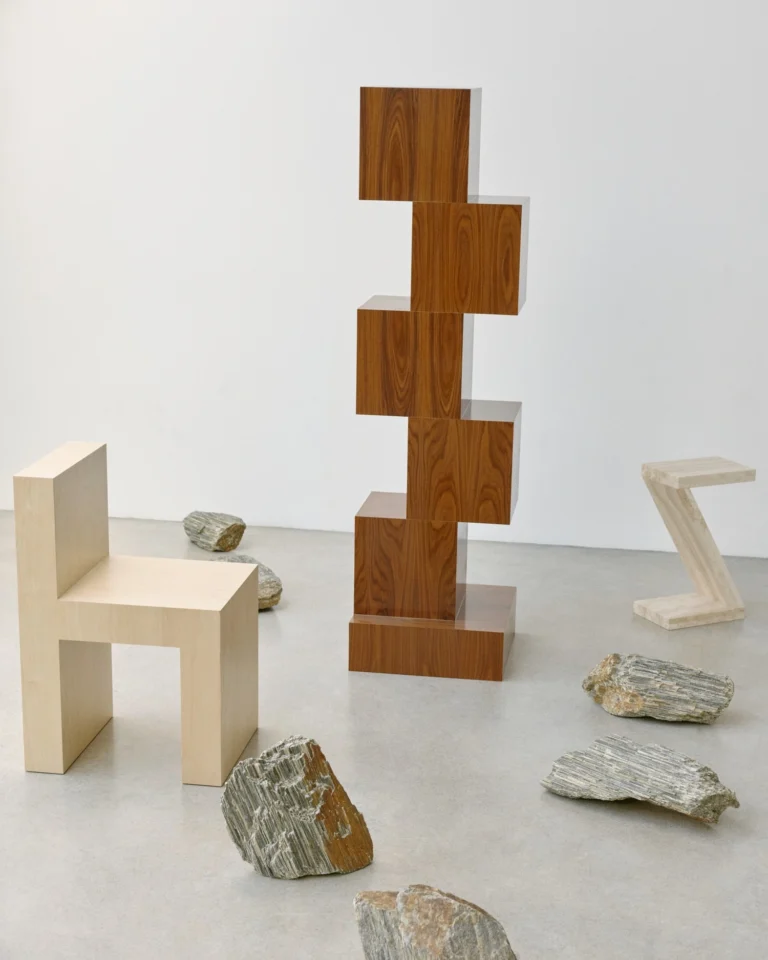
Consider also how wood grain orientation affects perception. Highly figured grain draws the eye and suits sculptural designs, while straighter grain patterns complement minimalist forms. At Petra Madalena, we work with wood veneers to capture extraordinary grain patterns while maintaining structural integrity – allowing for designs that wouldn’t be possible with solid timber alone.
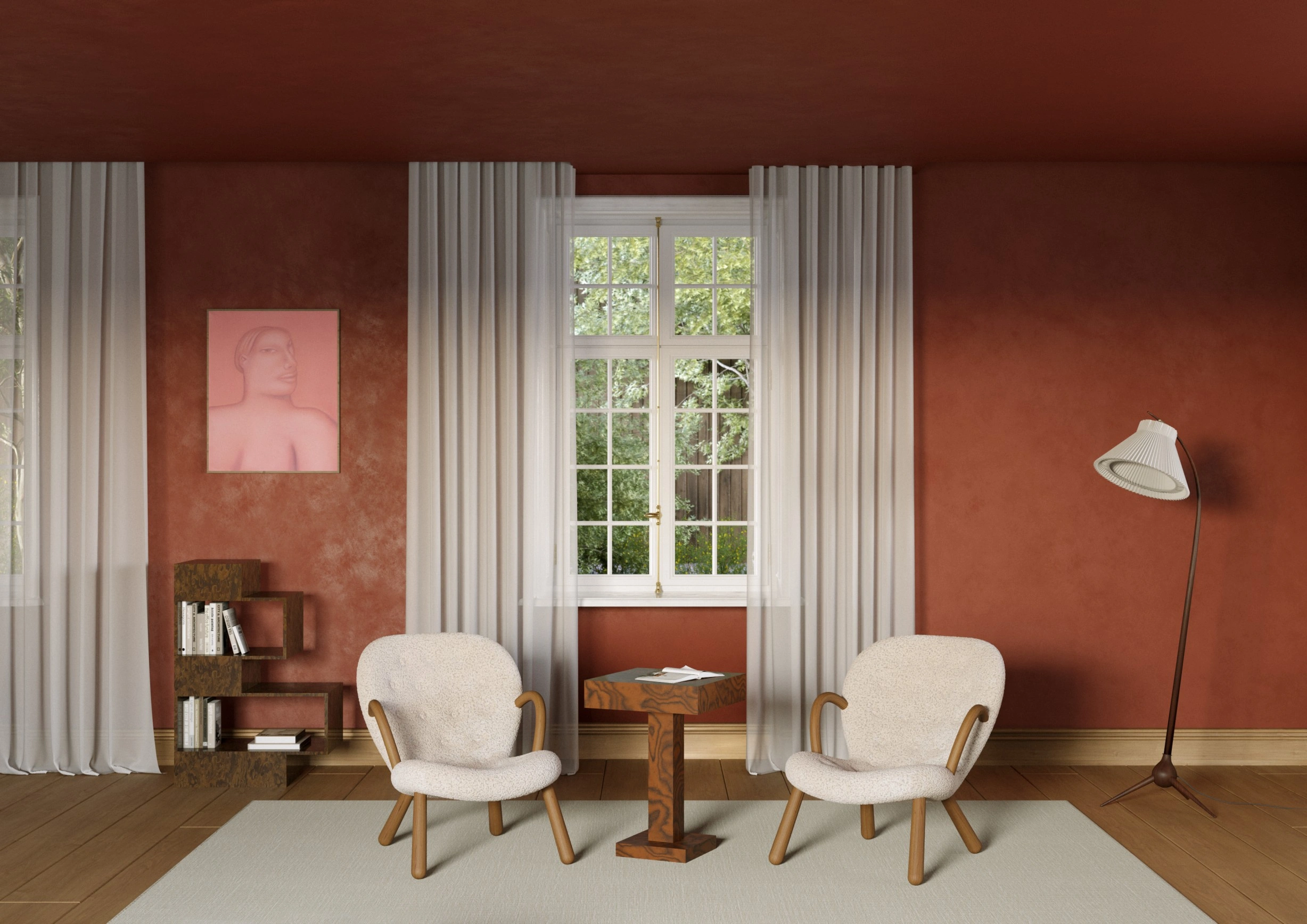
Our Ettore Sottsass Side Tables showcase the creative possibilities of multilaminar wood veneer – a material that layers different wood species to create striking visual effects unavailable in traditional timber. Available in matte, semi-matte, or glossy finishes, these pieces demonstrate how innovative veneer techniques expand the palette for custom furniture design.
Every wood species changes over time, though the nature of that change varies dramatically. Understanding these transformations helps you select materials that will please you decades from now, not just at delivery.
Walnut actually lightens with exposure to UV light – a reversal of what many expect. Antique walnut furniture displays noticeably warmer, lighter tones than freshly milled wood. Cherry darkens significantly, sometimes dramatically, developing the rich patina prized in heirloom pieces.
Teak develops a silver-grey surface when exposed to sunlight, though this affects primarily outdoor furniture. Indoor teak maintains its golden-brown colour while developing subtle depth from natural oils that rise to the surface over time.
Oak’s transformation depends largely on finish. Oiled oak deepens gradually, enhancing grain visibility, while lacquered surfaces preserve the original appearance more consistently. The finish you choose for your bespoke coffee table influences not only immediate appearance but how the piece will evolve over decades of use.
The dimensions and lighting of your room influence how different wood species will read in your space. Dark woods can make smaller rooms feel more intimate but may absorb too much light in north-facing spaces. Highly reflective finishes on lighter woods bounce light around, creating perceived spaciousness.
Modern interiors often favour the clean lines and subtle grain of maple or ash. These species provide visual calm without the assertiveness of heavily figured wood, letting architectural elements and art command attention. A coffee table in lighter wood becomes a functional element rather than a focal point – perfect for spaces where other pieces take centre stage.
Traditional and transitional spaces embrace walnut’s depth and oak’s historical associations. These woods carry cultural weight – they’ve graced fine furniture for centuries and signal quality to anyone who recognises their character.
For those drawn to furniture as sculptural art, our exploration of why sculptural furniture is transforming modern interiors discusses how material choice supports bold design statements.
Selecting wood for a bespoke coffee table comes down to balancing practical requirements with aesthetic preferences. Consider how the piece will be used daily, what existing furnishings it must complement, how you feel about materials that change over time, and whether sustainability certifications matter to your values. Ultimately, the best wood for coffee table projects is the one that aligns with both your lifestyle and your design vision.
Request samples whenever possible. Digital images cannot capture how wood grain catches light or how colour shifts from morning to evening. Living with a sample for a few days reveals qualities that photographs miss.
Most importantly, trust your response to the material itself. Wood speaks to us through its warmth, its weight, and the organic imperfections that distinguish natural materials from manufactured alternatives. The right choice will feel evident when you encounter it.
At Petra Madalena, we guide clients through material selection as part of our bespoke design process, helping translate your vision into furniture that will serve your home beautifully for generations.