 Menu
Menu
Menu
Menu

A cabinet can be so much more than a place to keep your things. When made by a skilled craftsperson, it becomes a work of art – a striking piece that draws the eye, grounds a room, and gets people talking. The best cabinets sit somewhere between furniture and sculpture, becoming the heart of any space they occupy.
At Petra Madalena, we see cabinet design as an art form where shape, material, and skill come together to create something special. This guide looks at how cabinets became design statements, what sets sculptural furniture apart from regular storage, and what to think about when ordering custom cabinets that work as architectural art.
People have been treating cabinets as art for hundreds of years. During the Renaissance and Baroque periods, wealthy collectors ordered elaborate “cabinets of curiosities” – pieces that were meant to impress as much as to store. These stunning works featured detailed wood patterns, gold decoration, and designs borrowed from temples and palaces. Owning one showed not just wealth, but good taste and learning.
The Metropolitan Museum of Art holds pieces by famous makers like Andre-Charles Boulle, Thomas Chippendale, and David Roentgen. Their cabinets were like small buildings – complete with moving parts, rare materials like tortoiseshell and mother-of-pearl, and hidden compartments that surprised and delighted viewers. As the Cooper Hewitt, Smithsonian Design Museum notes, wood veneer techniques have been central to furniture innovation for centuries, allowing makers to create stunning visual effects while building structures that last.
This tradition lives on today. Sam Maloof, recognized by the Smithsonian American Art Museum as America’s best-known furniture craftsman, showed how modern makers could blend beauty and usefulness just like the old masters. His pieces let the wood speak for itself, creating a fresh look that still honored timeless craft values.
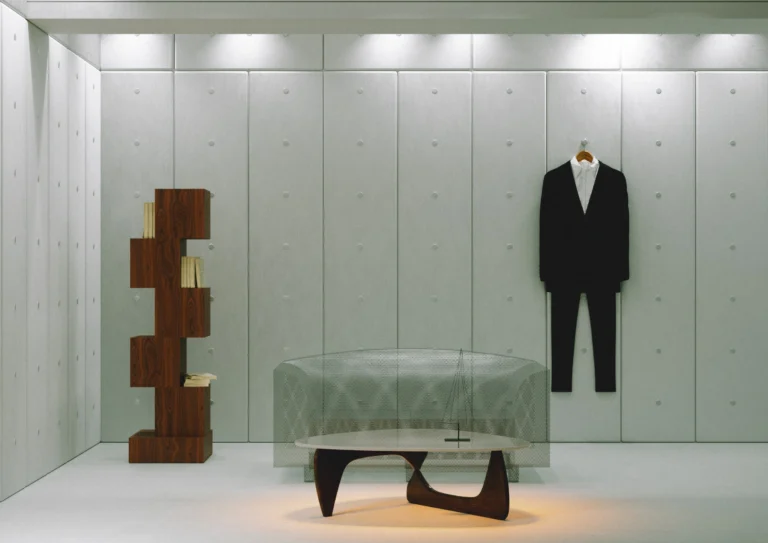
Sculptural furniture goes beyond being useful – it becomes living art. Unlike regular storage pieces built mainly to hold things, a sculptural cabinet works as both a practical item and a visual experience. Several things set these special pieces apart from ordinary furniture.
Sculptural cabinets often have surprising shapes – flowing curves that look like natural forms, bold geometric designs that create visual interest, or off-balance layouts that lead your eye across the piece. One Japanese design studio calls their cabinet “a small architectural masterpiece,” noting how its soft curves and traditional edge details turn simple storage into something artistic.
The shape might echo building elements like columns and arches, scaled down to furniture size. Or it might draw from nature – flowing water, rock formations, or growing plants. Either way, this lifts the cabinet from background object to room-defining statement.
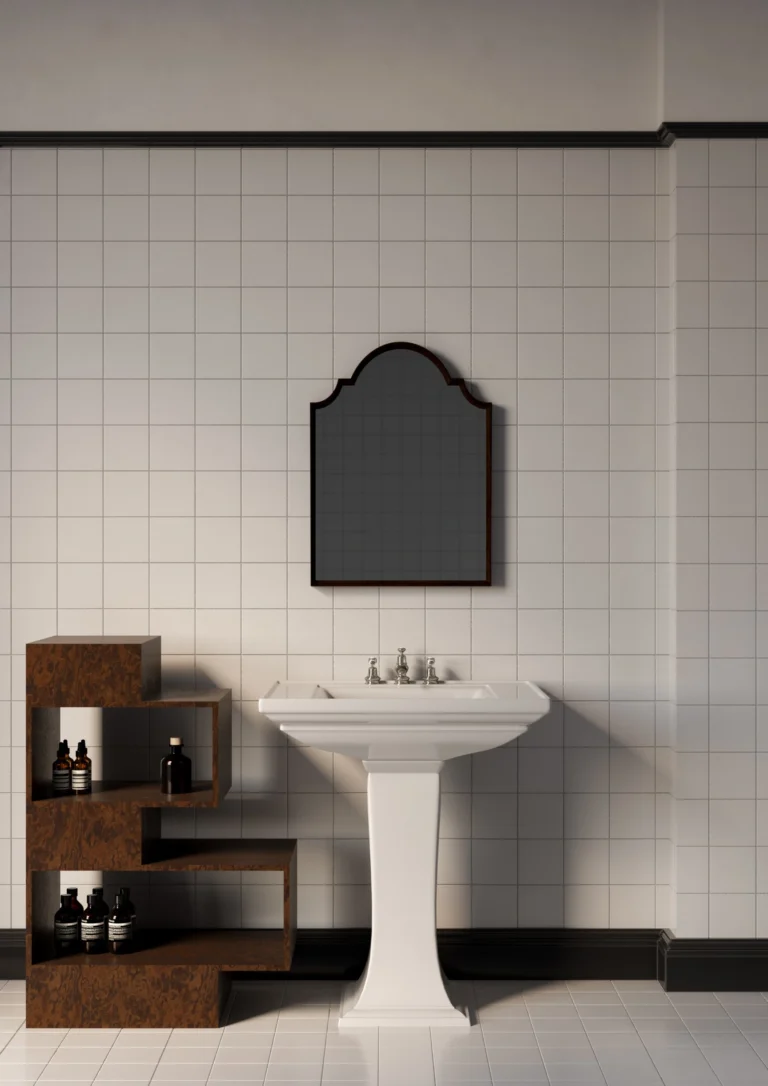
How materials work together adds another layer to sculptural cabinet design. Today’s makers combine solid woods with bronze, glass, stone, and metals to create unexpected visual effects. A cabinet might have a polished bronze base holding a walnut body, or glass panels that show off a carefully arranged interior.
This mixing of materials fits with broader trends in interior design, where the lines between different materials keep blurring. Our guide on mastering the mix of stone, wood, and metal in design explores how these combinations create both tension and harmony in stylish interiors.
Every sculptural cabinet tells a story through how it’s built. Hand-cut dovetail joints visible at corners speak to centuries of woodworking tradition. Wood grain chosen to flow smoothly across doors and drawers shows the maker’s deep understanding of wood as a living material. Traditional Japanese joinery – pieces that lock together without nails or screws – shows technical skill while honoring cultural roots.
These building details reward close looking, inviting viewers to understand not just what the piece looks like but how it came to be. The choice of veneer – whether birch, walnut burl, poplar burl, or exotic options like Palissandro Santos – adds yet another layer of story, with each grain pattern as unique as a fingerprint.
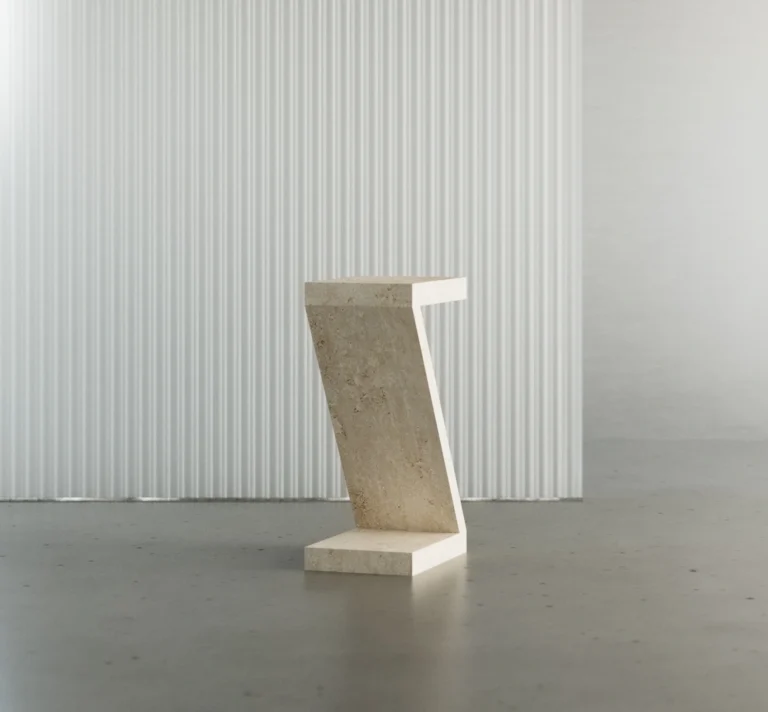
The same principles that make a cabinet sculptural apply to other furniture forms as well. When you want something more than just a chair – something that feels like an object, a piece of art – sculptural seating offers exactly that. These pieces invite both curiosity and comfort, serving as conversation starters and tactile experiences that beg to be touched, admired, and sat upon.
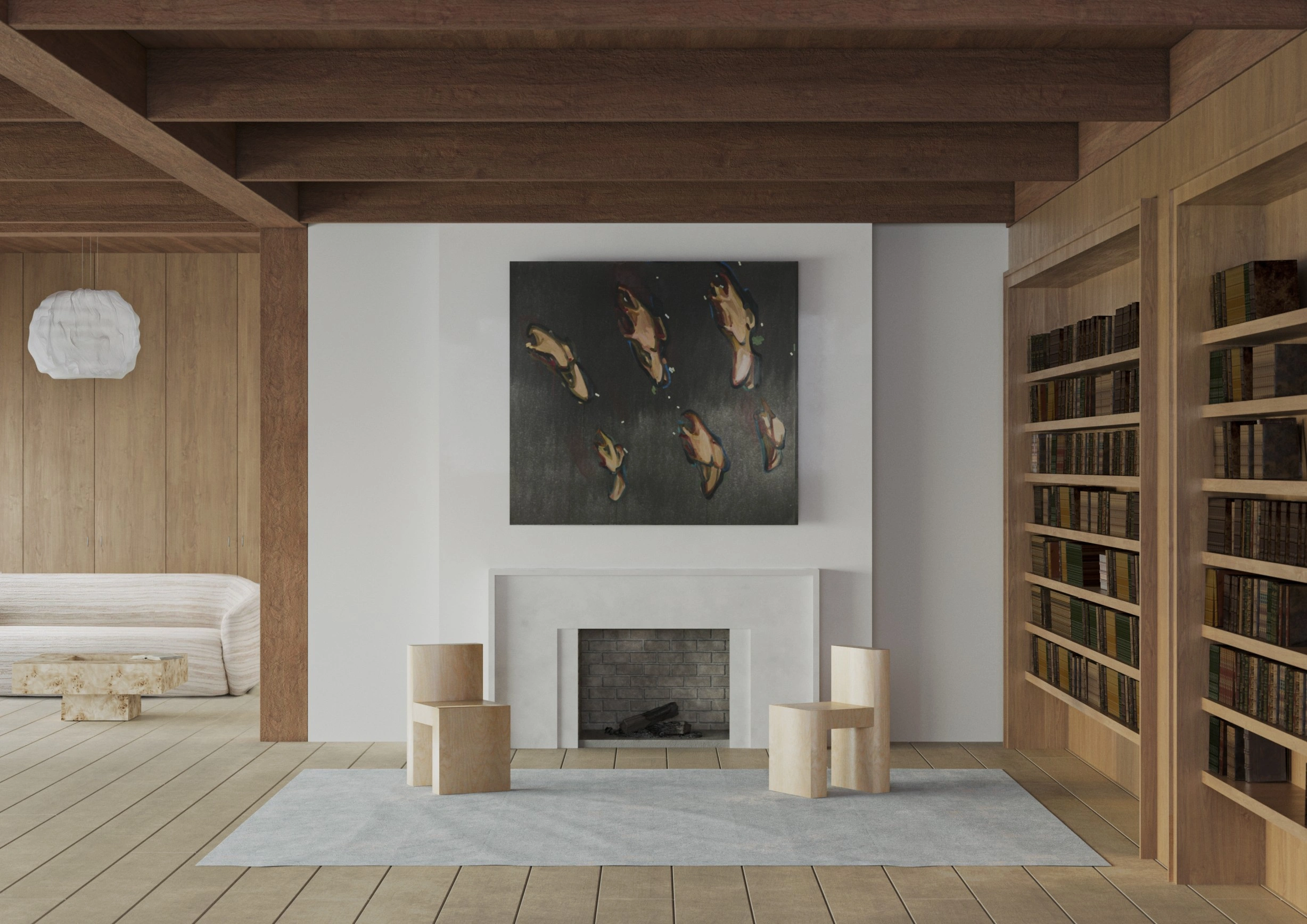
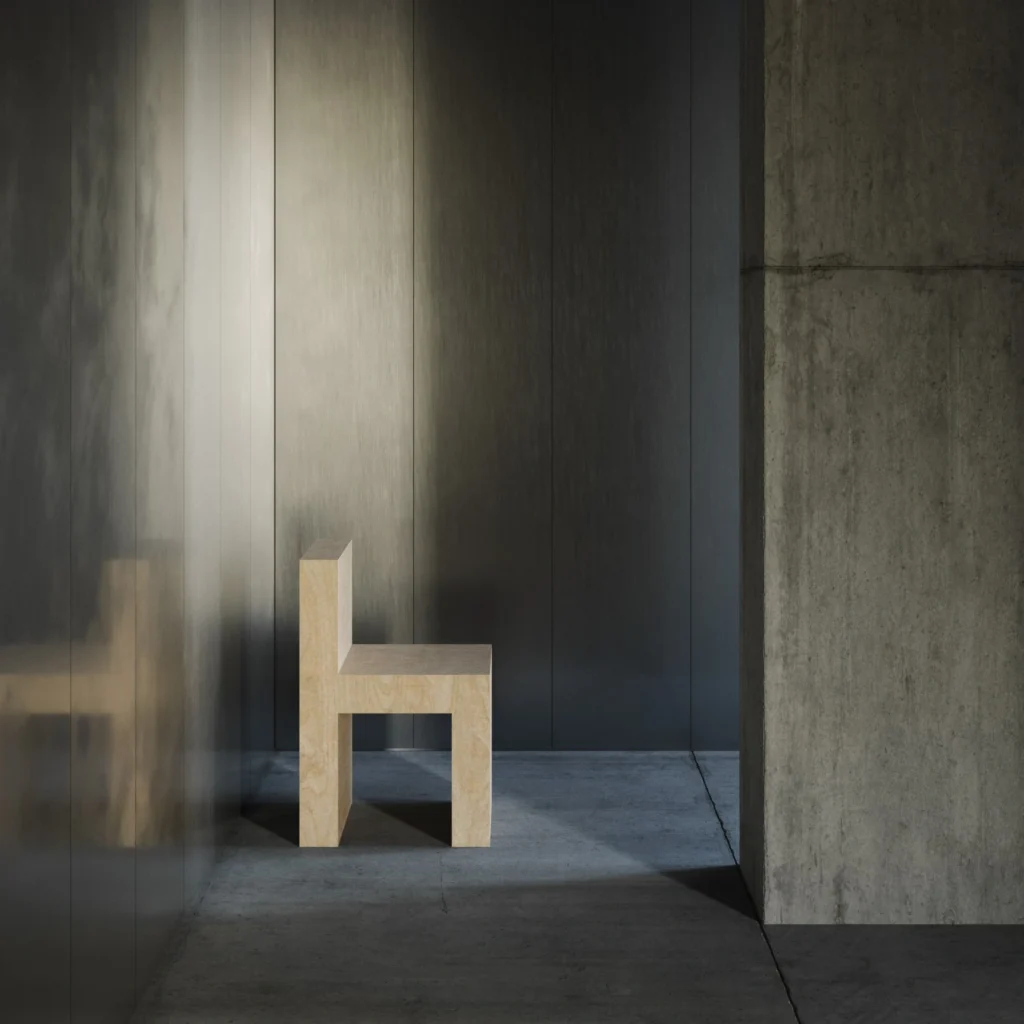
The Birch Chair by Petra Madalena – where sculptural form meets everyday function.
Take, for example, our Birch Chair. Crafted from high-quality birch veneer by skilled Lithuanian artisans, its sculptural form transforms a simple seat into an object of fascination. The structure is built for longevity with flawless attention to detail – high-grade materials and sophisticated finishes form contemporary styling sure to last. Place it in any room, and it becomes a subtle yet striking accent, waiting to hold your thoughts, your belongings, or simply a moment of stillness. It’s not just functional; it’s a piece that tells a story through its curves and craftsmanship.
A well-designed cabinet does more than fill space – it actively shapes the room around it. Designers and architects now see furniture as building blocks that change how we see space, create visual focus points, and start conversations with other elements in the room.
This table shows how sculptural cabinets work differently from standard furniture in interior spaces:
|
Design Element |
Sculptural Cabinet |
Standard Cabinet |
|
Role in Room |
Anchors and defines the space |
Fills available space |
|
Visual Focus |
Draws attention as focal point |
Fades into background |
|
Light Play |
Creates shadows and reflections |
Little light interaction |
|
Feeling |
Sparks wonder and curiosity |
Neutral, practical response |
|
Conversation |
Gets people talking |
Rarely noticed or discussed |
|
Room Connection |
Works with walls, windows, layout |
Stands alone from surroundings |
|
Value Over Time |
Grows in value as collectible art |
Loses value over time |
Placed well, a sculptural cabinet catches and reflects what’s around it – natural light from nearby windows, colors from the walls, the rhythm of building details. It becomes, as one Japanese maker puts it, “an ever-changing picture of light and shadow.” This means the piece looks different throughout the day and across seasons.
Major galleries and auction houses now see sculptural furniture as its own art category. Places like Carpenters Workshop Gallery in London and Paris focus on what they call “functional sculptures” – pieces by well-known artists and designers who push furniture past its usual limits. Works by these makers appear in museum collections next to paintings and sculptures, selling for prices that match their artistic importance.
This rise of furniture to collectible status shows a bigger cultural shift. Today’s collectors want pieces that offer both investment value and daily enjoyment – art they can live with, not just look at. A sculptural cabinet fits this wish perfectly, giving both visual pleasure and practical use while possibly growing in value over time.
This trend also connects to growing interest in “living with less, but better.” Rather than filling homes with stuff, thoughtful people now pick fewer, more meaningful objects. One amazing cabinet can anchor an entire room, removing the need for several lesser pieces while creating a much stronger visual impact. To learn more about this approach, see our article on why sculptural furniture is transforming modern interiors.
Creating a truly special custom cabinet requires close teamwork between you and the maker. Before starting this journey, think about several key things that will shape the final result.
Start by thinking about what you want the piece to do beyond storage. Should it be the main focus of the room, or sit alongside other important artworks? Do you picture something boldly modern or timelessly classic? Gather images that inspire you – not just furniture, but shapes, textures, and designs that speak to you. A skilled maker can turn these ideas into real design elements.
Document your space well. Take photos of the spot from different angles and at different times of day to see how light moves through it. Note ceiling heights, nearby doorways, existing furniture sizes, and any building details the cabinet should work with. The best sculptural pieces feel like they belong in their spaces, as if room and furniture were made together.
Material choice deeply affects both look and feel. Solid hardwoods like walnut, cherry, and oak offer warmth and develop a rich glow over decades of use. Exotic woods – fumed oak, figured maple, African blackwood – give more dramatic visual interest. Metal adds a modern edge, while glass creates lightness and shows off the interior. Talk about material options at length with your maker, and when possible, see real samples rather than relying on photos.
Even the most artistic cabinet must work for your needs. Think carefully about what the piece will hold and how you’ll get to those things. A cabinet made to show off a watch collection needs different interior design than one storing linens or bar supplies. Hidden lighting, special compartments, and security features all shape what’s possible. The best pieces blend these practical needs so smoothly that they add to rather than limit the artistic vision.
At Petra Madalena, we believe great furniture comes from the meeting point of artistic vision, technical skill, and close client partnership. Each cabinet we make begins with deep conversation – understanding not just what you need to store, but how you want to feel when you walk into the room where it lives.
Our makers draw on traditional joining methods refined over centuries while embracing modern design thinking. We select premium veneers for their unique grain patterns and visual character, working with suppliers who share our commitment to quality. Every piece goes through careful quality checks at each stage of building, making sure the finished work will serve families for generations.
Most importantly, we see cabinet making as an artistic pursuit. Storage is just the starting point – our goal is to create objects that bring daily wonder, objects worthy of the spaces they live in and the people who enjoy them.
A sculptural cabinet offers a different way of thinking about furniture – as a building element, as artistic expression, as something to pass down. Ordering custom cabinets invites you into a creative process that produces something truly one-of-a-kind: a functional sculpture designed just for your space, reflecting your taste, and built to last for generations.
Choosing to invest in handmade furniture at this level shows a commitment to quality over quantity, to lasting beauty over passing trends. Every time you open a door fitted with hand-forged hardware, run your fingers along a surface finished to silky smoothness, or simply pause to enjoy the play of light across beautiful wood grain, you experience the rewards of that choice.
Ready to explore what a statement cabinet could bring to your space? Contact Petra Madalena to start the conversation about creating architectural furniture that turns your interior into something truly special.