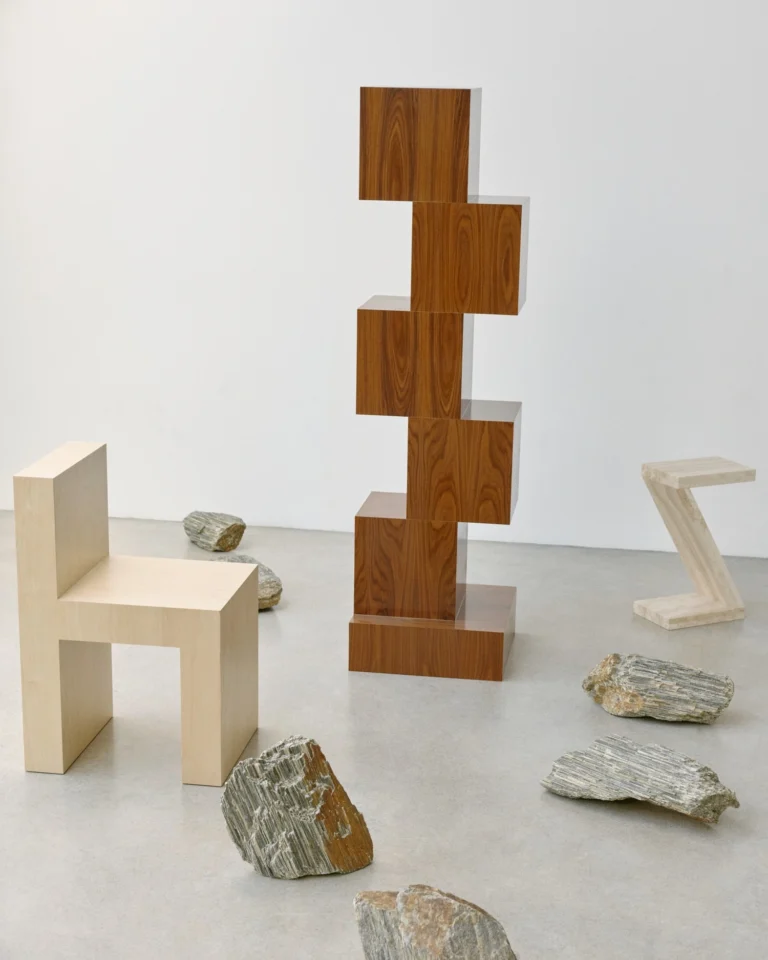

Sustainable bespoke furniture in 2026 means more than choosing natural materials – it means investing in pieces designed to outlast trends, resist replacement, and carry genuine environmental value from the first commission to the final decade of use. At Petra Madalena, every piece is built on this principle: that true luxury and responsible design are not opposing ideas, but the same standard expressed through craft.
In this guide:
The short answer is yes – and the reasons go well beyond materials. Bespoke furniture is made to order, which means nothing is produced speculatively, nothing sits in a warehouse, and nothing is discarded as unsold surplus. Every cut of wood, every hour of workshop time, and every finishing coat serves a specific commission with a specific home in mind.
Mass-produced furniture, by contrast, is built around volume and price efficiency. This creates structural waste at every stage – overproduction, long-haul shipping, short lifespans, and eventual landfill disposal. A 2023 analysis by the Ellen MacArthur Foundation estimated that the global furniture industry generates over 80% of its waste before a product even reaches the consumer.
Bespoke furniture sidesteps this entirely. The environmental case is built into the model.
One of the most overlooked benefits of bespoke furniture is its made-to-order nature. Unlike mass production, where surplus stock often ends up in landfills, bespoke furniture is crafted only when commissioned. This approach minimizes excess inventory and ensures efficient material use.
According to the Forest Stewardship Council, responsible sourcing combined with low-waste production is essential for reducing the environmental impact of wood-based products. Bespoke workshops naturally align with these principles through precision craftsmanship.
Beyond production waste, the differences between bespoke and mass-produced furniture are significant across almost every dimension that matters to a long-term buyer.
| Factor | Bespoke Furniture | Mass-Produced Furniture |
|---|---|---|
| Production model | Made to order – zero surplus | Produced in bulk, often overstock |
| Material quality | Solid hardwood, natural finishes | MDF, veneer, synthetic coatings |
| Expected lifespan | 30-80+ years with maintenance | 5-15 years on average |
| Repairability | Fully repairable and refinishable | Usually not repairable |
| Carbon footprint | Lower – local production, no bulk shipping | Higher – global supply chains |
| Design fit | Designed for your specific space | Generic dimensions and proportions |
| End of life | Refinished, repurposed, or restored | Typically sent to landfill |
Sustainability is not only about how furniture is made – it is also about how long it lasts. A well-crafted bespoke piece can be refinished, repaired, and adapted over decades. Solid hardwood furniture, properly maintained, routinely lasts 50 to 80 years. Some heirloom pieces remain in active use for well over a century.
By comparison, flat-pack and mass-produced furniture has an average lifespan of 5 to 15 years before it requires replacement. A single bespoke commission at Petra Madalena may therefore replace four to six mass-produced pieces over its lifetime – each of which would have been manufactured, shipped, and eventually discarded.
The environmental arithmetic is straightforward: one well-made piece, kept for life, is almost always the more sustainable choice.
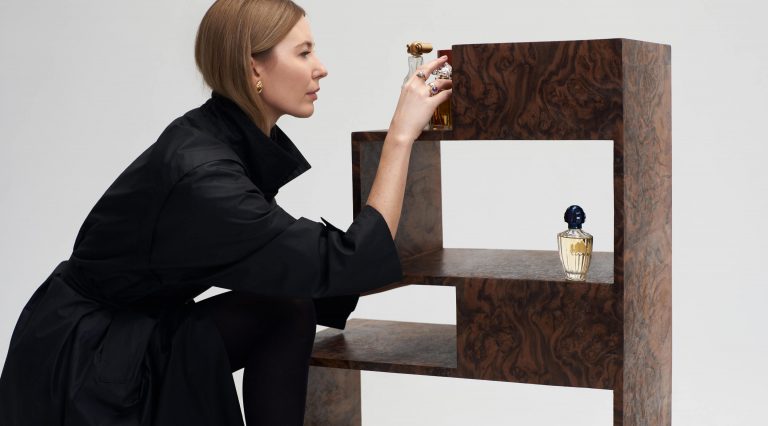
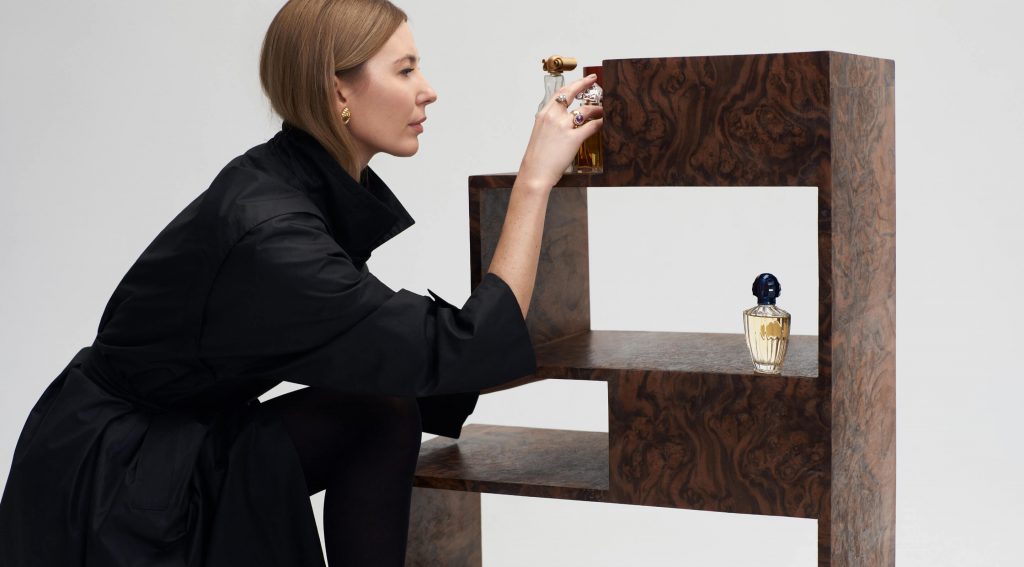
A handcrafted walnut burl coffee table represents one of the most compelling expressions of sustainable luxury. Burl wood forms naturally on trees and is often discarded during conventional logging. When used intentionally in bespoke furniture, it transforms what would otherwise be waste timber into a rare, functional work of art.
Walnut burl is prized for:
Unique, non-repeatable grain patterns
Exceptional density and durability
A dramatic visual presence that ages beautifully
In contemporary interiors, a walnut burl coffee table becomes a sculptural centrepiece rather than a trend-driven accessory. Its visual strength means a room needs fewer additional decorative elements, which itself supports a more intentional and less consumptive approach to interior design.
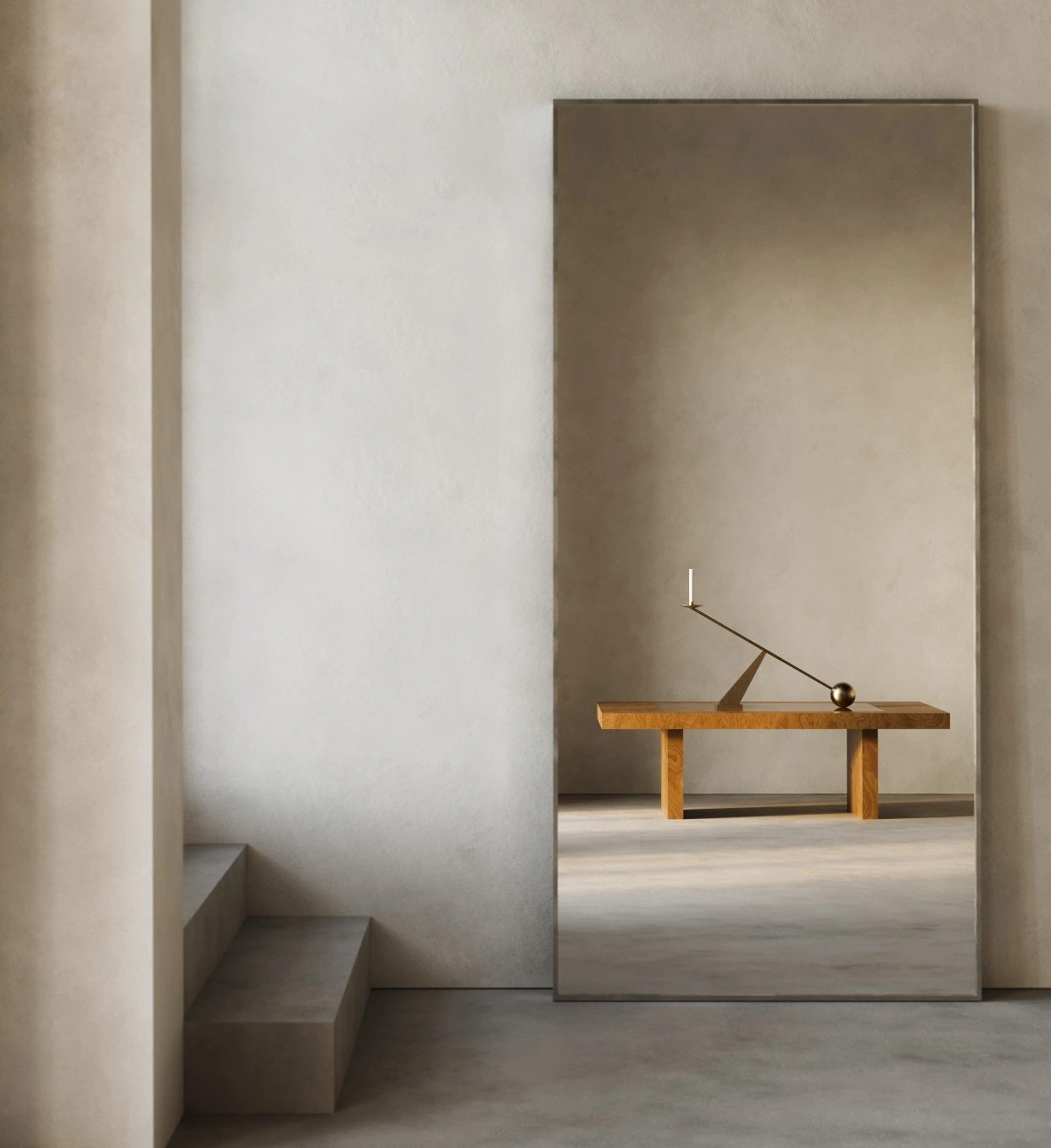
Birch has emerged as one of the most sustainable hardwoods used in bespoke furniture today. Its fast growth rate and excellent structural properties make it an environmentally responsible choice for modern interiors.
A refined birch coffee table introduces warmth and clarity to a living space while maintaining a minimal visual footprint. Similarly, a handcrafted birch wood coffee table works particularly well in Scandinavian-inspired or minimalist interiors where light and balance are essential.
Research from the European Forest Institute highlights birch as a model species for sustainable forestry when responsibly managed.
Selecting the best wood for a coffee table depends on lifestyle, aesthetics, and long-term durability expectations. Hardness, grain stability, and ageing behaviour all shape how a piece performs over years of daily use. The right choice for a family home with children will differ from that of a minimal studio apartment used primarily for entertaining.
Bespoke furniture allows clients to choose materials based on real context rather than generic assumptions – a core advantage that no off-the-shelf product can replicate.
| Wood Type | Sustainability Level | Durability | Visual Character |
|---|---|---|---|
| Walnut Burl | High (upcycled use) | Very High | Bold, sculptural |
| Birch | Very High (fast-growing) | High | Light, modern |
| Oak | High (certified sources) | Very High | Timeless, classic |
| Palissandro Santos | Moderate (ethical sourcing) | Very High | Expressive, luxurious |
Sustainability does not exclude expressive or rare materials. When sourced responsibly and certified through programmes such as FSC or PEFC, exotic woods can play a meaningful role in bespoke furniture without compromising environmental principles. Palissandro santos is valued for its dramatic natural veining and exceptional structural strength, making it ideally suited to statement pieces produced in limited quantities rather than mass applications.
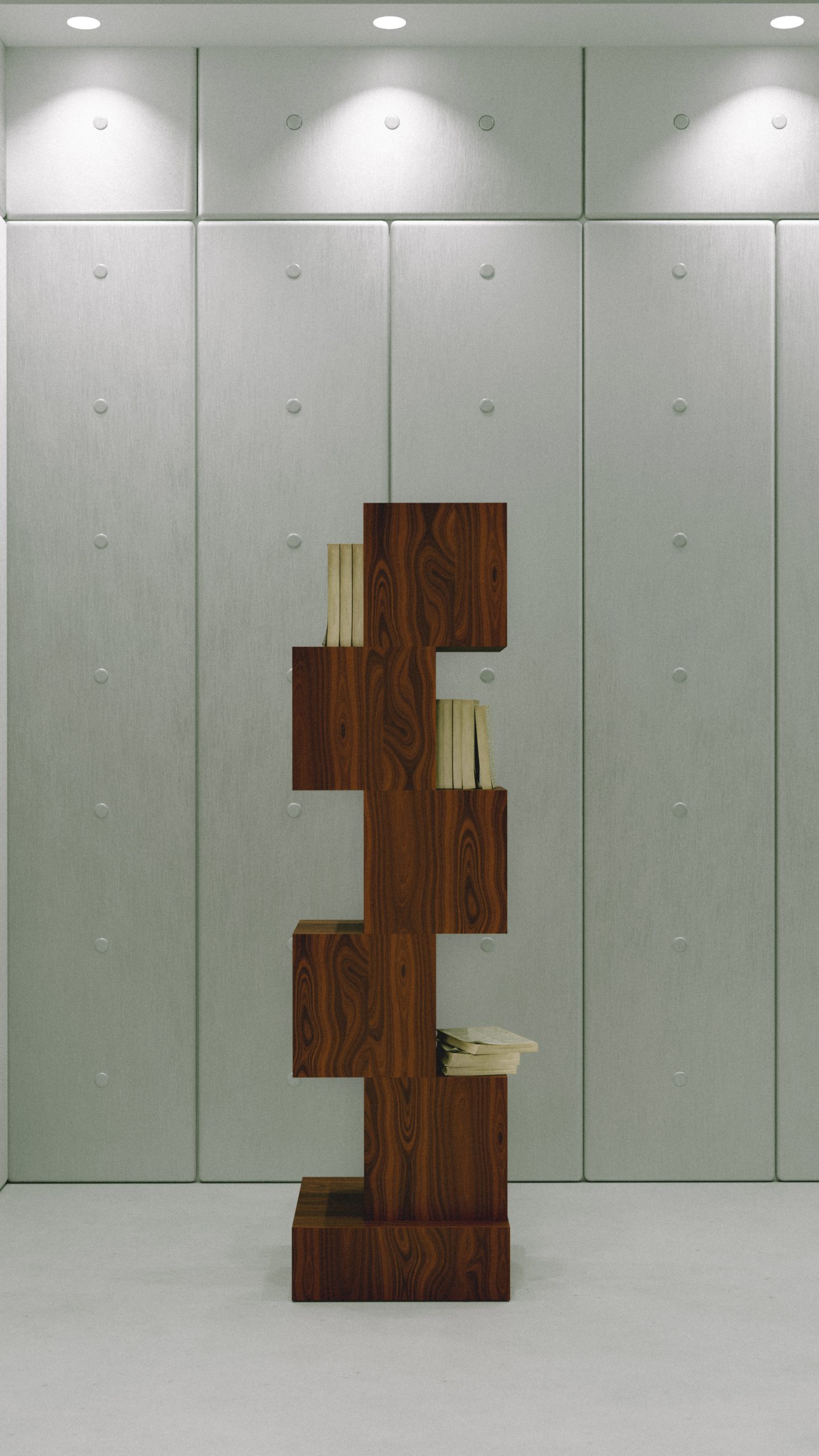
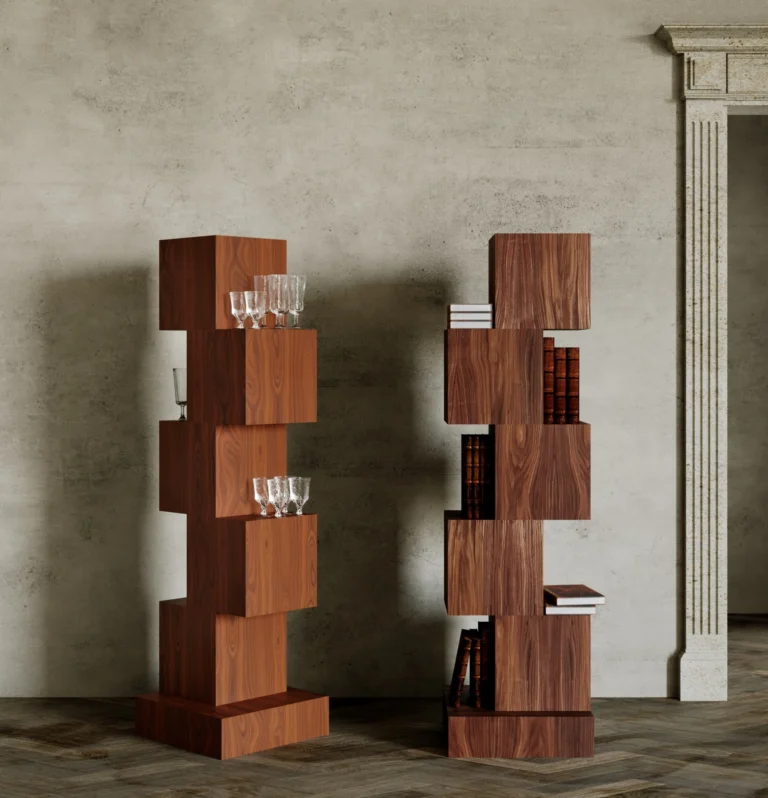
Used thoughtfully, such materials enhance longevity and remove the need for future replacement, directly aligning with the circular design principles promoted by the Ellen MacArthur Foundation. A single palissandro santos bookcase, built to last a lifetime, has a far lower lifetime environmental cost than three successive mass-market replacements.
Furniture design in 2026 continues to blur the line between art and function. Curved silhouettes, organic bases, and tactile natural finishes dominate contemporary interiors – particularly in the Japandi and soft minimalist movements that have defined high-end residential design across Europe, the UK, and Scandinavia over the past two years. These qualities reduce the need for supplementary decoration, which itself supports a more intentional and sustainable interior.
A sculptural bespoke coffee table becomes the focal point of a room by design – not by accident. At Petra Madalena, each commission begins with the specific spatial context and the role the piece will play within it, ensuring that the final form is both visually purposeful and architecturally coherent.
Storage furniture has evolved well beyond pure functionality. Modern interiors increasingly treat shelving and cabinet systems as structural design elements that define the character of a space, not simply contain its contents.
Well-designed bespoke bookcases act as visual anchors, combining open display with concealed storage in proportions calibrated for the specific wall and room. This approach encourages fewer, more considered furniture purchases – one of the most practical expressions of sustainable living available to a homeowner.
Custom storage solutions, including tailored cabinet systems and custom cabinets, extend this principle further by adapting precisely to spatial dimensions that off-the-shelf solutions cannot accommodate without compromise.
Current coffee table trends in 2026 centre on three clear directions: material honesty, low-profile proportions, and dual-function design. Buyers are moving away from heavily lacquered or artificially aged surfaces toward pieces where the natural character of the wood is the primary visual statement.
Low profiles – tables that sit between 30 and 40 centimetres in height – have replaced the taller, heavier forms of previous decades and work particularly well in rooms where the sofa is the dominant architectural element. Multifunctional designs, incorporating integrated storage or modular configurations, reflect a broader shift toward conscious consumption and long-term thinking – values actively supported by the World Green Building Council and embedded into every Petra Madalena commission.
Bespoke furniture workshops prioritise precision over volume. Materials are measured and cut intentionally, finishes are applied by hand in controlled quantities, and offcuts are routinely reused in smaller components or returned to the material supply chain. This results in significantly lower production waste compared to industrial manufacturing, where standardised cutting patterns generate consistent surplus regardless of demand.
At Petra Madalena, each commission is treated as a closed material loop – the design determines the cut, and the cut determines the waste. Nothing is produced without purpose.
Producing furniture closer to the end client reduces transportation emissions significantly. A piece commissioned and crafted within the same region – or the same country – avoids the container shipping, intermediate warehousing, and last-mile logistics that add both carbon and cost to mass-market supply chains.
Local manufacturing also allows for greater transparency and quality control throughout the production process. Clients commissioning from Petra Madalena can engage directly with every stage of their piece – from material selection to finishing decisions – a level of oversight that global production models structurally cannot offer.
Choosing bespoke furniture is an investment in longevity rather than trend cycles. A handcrafted coffee table, custom cabinet, or shelving system can evolve with a space through refinishing or reconfiguration.
By investing in fewer, better-made pieces, homeowners reduce environmental impact while elevating the quality of their interiors.
Key considerations before investing:
Verify material sourcing and certifications
Prioritize timeless design over short-term trends
Choose multifunctional pieces where possible
Consider repairability and refinishing options
These principles ensure that bespoke furniture remains both sustainable and relevant for decades.
The sustainability of a bespoke piece depends as much on how it is maintained as on how it was made. Proper care can extend the life of solid hardwood furniture by decades.
Dust regularly with a dry or lightly damp cloth. Avoid abrasive cloths or chemical sprays that strip natural oils from the wood surface. For oiled finishes, a microfibre cloth is ideal.
Re-oil annually for pieces with an oil finish. Natural oil finishes – used extensively at Petra Madalena – nourish the wood and protect against moisture absorption. A single annual application of the appropriate oil takes less than an hour and adds years to the surface quality.
Protect from direct sunlight and heat sources. Prolonged UV exposure causes even the most stable hardwoods to fade or develop uneven colouration. Position bespoke pieces away from south-facing windows where possible, or use UV-filtering window treatments.
Address scratches early. Minor surface scratches on oiled or waxed hardwood can often be resolved with light sanding and re-oiling at home. Leaving them untreated allows moisture ingress, which causes more significant damage over time.
Refinish rather than replace. A professional refinish – stripping back to bare wood and applying a fresh finish – can restore a heavily worn bespoke piece to near-original condition for a fraction of the cost of replacement, and with none of the environmental cost of new production.
In 2026, the most sustainable furniture choice and the most considered luxury choice have converged. Bespoke furniture – made to order, built from responsibly sourced materials, designed for a specific space, and crafted to last decades – is the clearest expression of both values simultaneously.
At petramadalena.com, every commission begins with this understanding. The result is furniture that does not need to be replaced, does not follow a trend cycle, and does not compromise on craft. If you are ready to invest in a piece designed to last a lifetime, begin with a consultation – and we will build it around your space, your materials, and your standards.