
Choosing the right natural stone for your furniture can feel overwhelming. Both travertine and marble offer timeless elegance, yet they differ significantly in durability, maintenance requirements, and aesthetic appeal. Whether you’re searching for a stunning travertine coffee table or contemplating marble for your living space, understanding these materials will help you make an informed decision that lasts for generations.
At Petra Madalena, we craft bespoke sculptural furniture that celebrates the natural beauty of stone. Our artisans understand that selecting between travertine and marble involves more than aesthetics—it requires considering your lifestyle, design preferences, and long-term maintenance commitment.
Travertine is a sedimentary limestone formed through the precipitation of calcium carbonate from freshwater springs, particularly hot springs. According to research published by the U.S. Geological Survey, travertine forms when hot water between 25-73 degrees Celsius expels dissolved minerals that crystallize upon contact with air. This geological process creates the stone’s signature porous texture and distinctive layered patterns.
The Romans recognized travertine’s extraordinary qualities over two millennia ago. They quarried this versatile stone near Tivoli to construct iconic structures including the Colosseum and St. Peter’s Square colonnade. Today, a beautifully crafted travertine side table brings this rich heritage directly into contemporary interiors, connecting your home to centuries of architectural excellence.
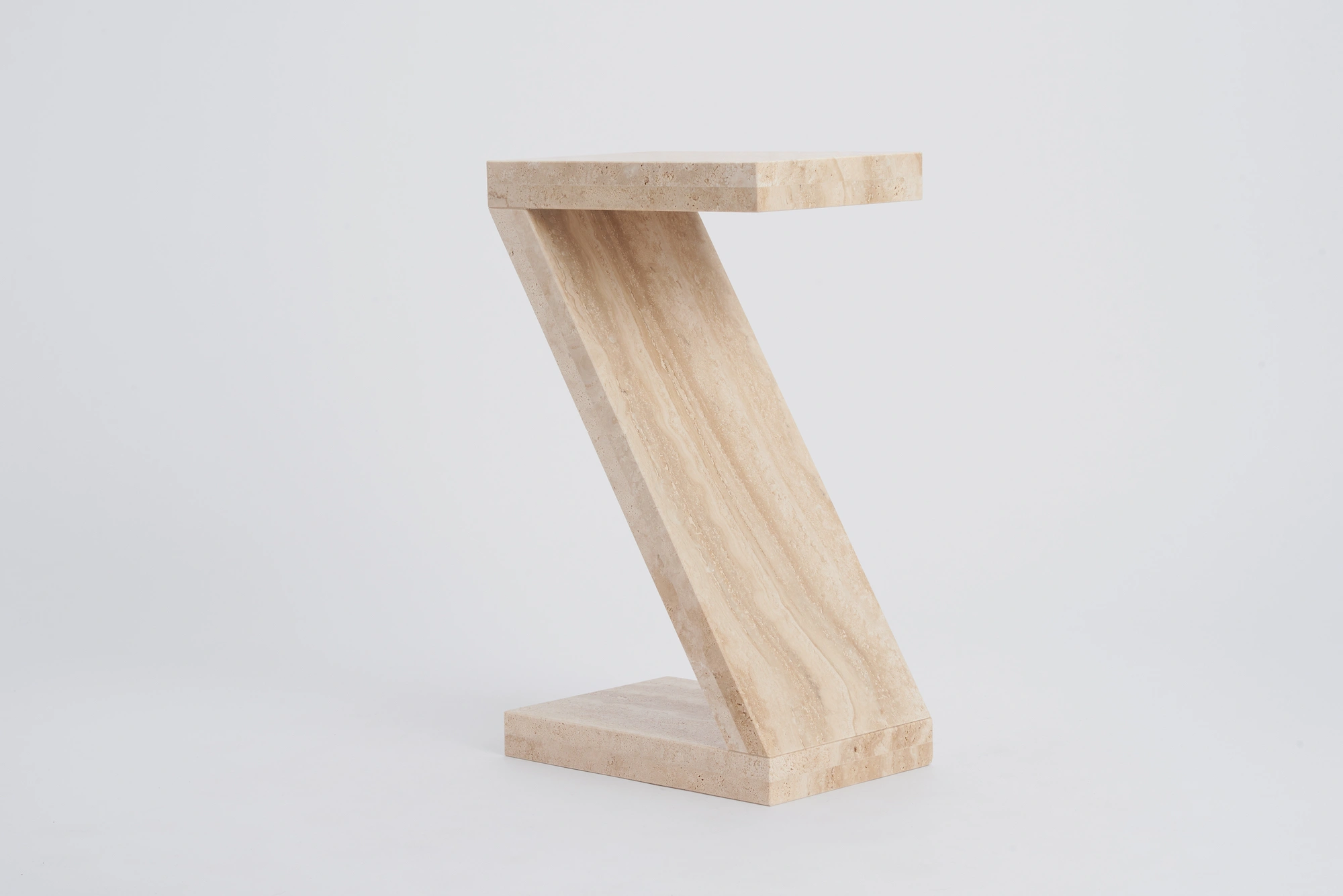
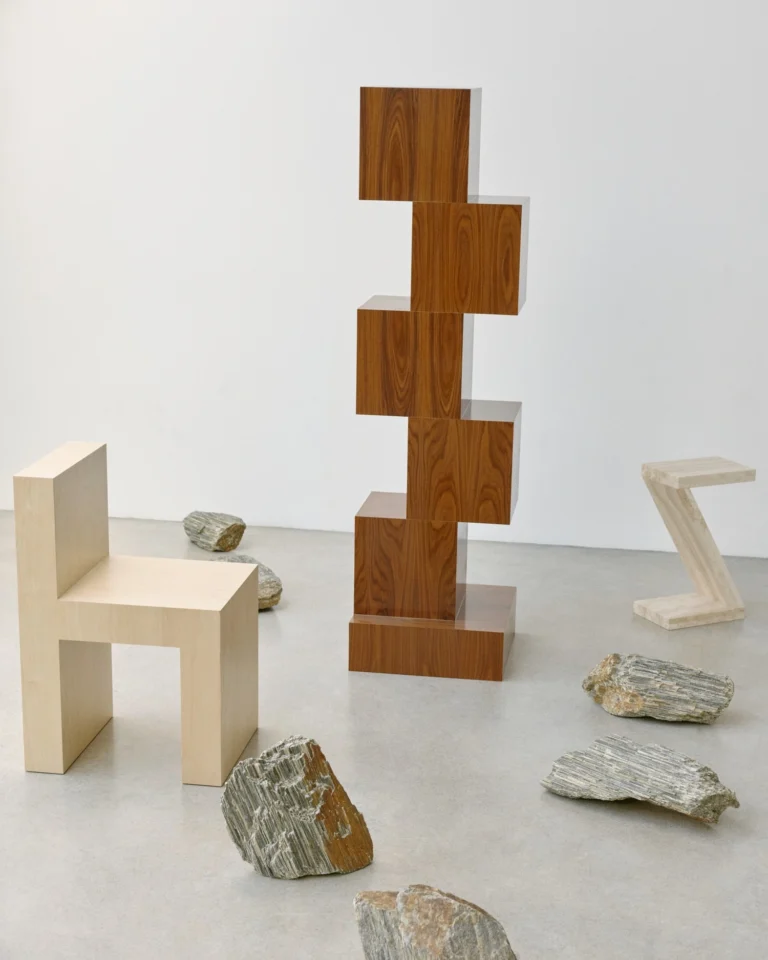
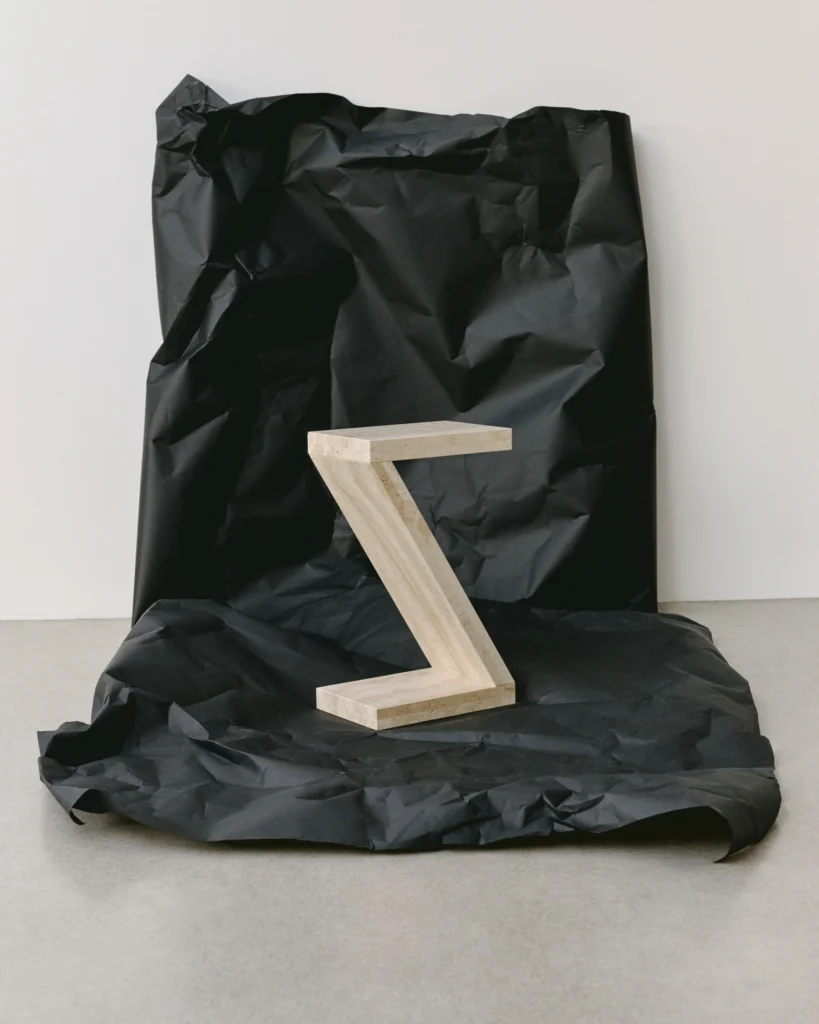
Our Travertine Side Table exemplifies this timeless material at its finest. Handcrafted from premium Travertino Romano Classico by expert artisans in Portugal, each piece showcases the stone’s natural beauty with unique veining patterns that ensure no two tables are exactly alike. Measuring 30 x 20 x 50 cm, this contemporary design balances sculptural elegance with practical functionality – a perfect statement piece for modern living spaces.
Marble differs fundamentally because it undergoes metamorphosis. This transformation occurs when limestone experiences intense heat and pressure deep within the Earth’s crust, causing calcite crystals to recrystallize into interlocking formations. The process creates marble’s characteristic smooth surface and dramatic veining patterns that have made it synonymous with luxury throughout human history.
Sculptors and architects have prized marble for millennia because of its workability and refined appearance. Michelangelo famously carved his masterpieces from Carrara marble, while ancient Greek temples showcased the stone’s ability to capture light in extraordinary ways. When incorporated into a custom coffee table, marble delivers that same luminous quality that has captivated artists and designers for centuries.
Understanding the key differences between these stones helps you select the perfect material for your coffee table or accent table project:
|
Characteristic |
Travertine |
Marble |
|
Formation |
Sedimentary (mineral precipitation) |
Metamorphic (heat & pressure) |
|
Mohs Hardness |
3 – 4 |
3 – 5 |
|
Surface Texture |
Naturally porous with organic patterns |
Smooth with elegant veining |
|
Color Range |
Warm earth tones: cream, tan, rust, gold |
Wide spectrum: white, gray, green, black, pink |
|
Maintenance |
Regular sealing; forgiving of minor wear |
Frequent sealing; susceptible to etching |
|
Price Point |
Generally more affordable |
Premium pricing (varies by type) |
|
Best For |
Rustic, Mediterranean, contemporary styles |
Classic, luxurious, formal interiors |
Both travertine and marble share similar hardness ratings on the Mohs scale, ranging from 3 to 5 depending on their specific composition. According to the Natural Stone Institute, this classification places them in the softer category of natural stones, making proper care essential for maintaining their beauty over time.
Travertine’s porous nature might initially seem like a disadvantage, but many designers consider it a strength. Those characteristic holes and variations create visual depth that hides minor scratches and everyday wear more effectively than marble’s polished perfection. For a frequently used side table or end table, this forgiveness toward daily use becomes particularly valuable.
Marble’s smooth surface reveals imperfections more readily, including water rings and etching from acidic substances. Wine, citrus fruits, and certain cleaning products can leave permanent marks if not addressed immediately. Understanding these sensitivities helps you decide whether marble’s stunning aesthetic justifies the additional vigilance required.
|
Substance / Damage |
Travertine |
Marble |
|
Red Wine |
⚠️ Moderate – wipe quickly |
❌ High risk – stains fast |
|
Coffee |
⚠️ Moderate – may darken pores |
❌ High risk – leaves marks |
|
Citrus / Lemon |
❌ Etches surface |
❌ Etches quickly |
|
Water Rings |
✅ Hidden by texture |
❌ Visible on surface |
|
Light Scratches |
✅ Camouflaged by porosity |
⚠️ Visible on smooth finish |
|
Heat (hot cups) |
✅ Resistant |
✅ Resistant |
|
UV / Sunlight |
✅ Stable color |
⚠️ May yellow over time |
Results may vary based on sealing and maintenance. Always use coasters and wipe spills promptly.
Travertine radiates warmth through its earth-inspired color palette. Creamy ivories, honey tones, warm tans, and rustic reds emerge naturally from mineral deposits accumulated over thousands of years. This organic quality makes travertine particularly suited to Mediterranean, rustic, and contemporary interiors seeking connection with natural elements.
The stone’s natural porosity creates texture that photographs beautifully and adds visual interest to any space. Filled and polished travertine offers a smoother appearance, while unfilled options showcase raw, authentic character. Both treatments work exceptionally well in furniture applications where you want material honesty to shine through.
Marble offers unparalleled variety in its appearance. Carrara marble presents soft gray veining against white backgrounds, while Calacatta features bolder, more dramatic patterns. Nero Marquina delivers sophisticated black with white veins, and Emperador offers rich brown tones. This diversity means marble can complement virtually any interior design direction.
The way marble interacts with light sets it apart from other stones. Its crystalline structure allows light to penetrate slightly below the surface before reflecting, creating a soft luminosity that synthetic materials cannot replicate. This quality makes marble particularly striking in well-lit spaces where natural and artificial light can play across its surface throughout the day.
Natural stone represents one of the most sustainable building and furniture materials available. Unlike engineered alternatives that require energy-intensive manufacturing processes and chemical binders, both travertine and marble form naturally over geological time. Extracting and shaping these materials consumes significantly less energy than producing synthetic surfaces.
Studies comparing floor coverings demonstrate that natural stone produces substantially lower CO2 emissions during production and installation compared to ceramics, PVC, laminates, and even hardwood flooring. For environmentally conscious homeowners, choosing travertine or marble furniture supports sustainability goals while delivering exceptional longevity.
You can explore more about choosing eco-friendly furniture materials in our comprehensive guide on sustainable bespoke furniture, which examines responsible manufacturing practices and material selection for custom pieces.
Travertine excels in: Coffee tables for busy living rooms where drinks and snacks regularly rest on surfaces, side tables positioned near windows where sunlight highlights natural texture variations (like our handcrafted Travertine Side Table in Travertino Romano Classico), console tables in entryways that benefit from warm, welcoming tones, and outdoor furniture where its thermal properties provide comfort in varying temperatures.
Marble shines in: Statement dining tables in formal settings where careful use ensures longevity, decorative accent tables in low-traffic areas that showcase the stone’s beauty, bathroom vanities when properly sealed and maintained, and bookshelves and display cabinets where the stone adds sophistication without constant contact with liquids.
Current design trends favor combining natural stones with organic shapes and sculptural forms. Our article on 2026 coffee table trends explores how contemporary designers incorporate both travertine and marble into modern interiors, creating pieces that function as art while serving practical purposes.
Your lifestyle ultimately determines which stone serves you better. Families with young children or households that frequently entertain might find travertine’s forgiving nature more practical. Couples seeking dramatic visual impact and willing to invest in careful maintenance may prefer marble’s unmatched elegance.
Budget considerations favor travertine in most cases, though exceptional marbles and premium travertines can overlap in pricing. Geographic availability also influences cost, as transportation expenses vary significantly depending on quarry locations and your region.
Working with skilled artisans who understand both materials ensures optimal results regardless of your choice. Petra Madalena specializes in creating bespoke furniture pieces that honor the unique characteristics of each natural stone, transforming raw materials into functional art that elevates your living space.